
Sustainable construction has moved from a niche idea to a standard practice across many industries. Companies that build infrastructure now look for ways to reduce waste, lower energy use, and extend the life of facilities. These choices help both the environment and long-term project budgets.
This guide covers sustainable construction tips you should know, so your next project can run efficiently without unnecessary material use or energy consumption. A few thoughtful adjustments during planning and construction can make a major difference.
Start with Smart Project Planning
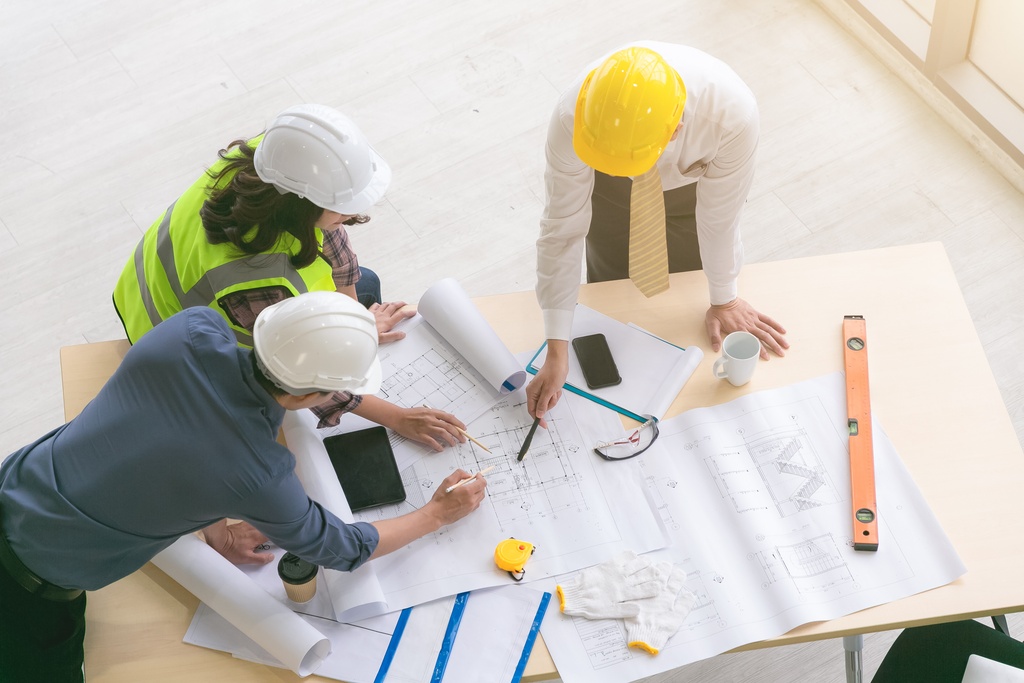
Sustainability begins long before equipment arrives on site. A well-planned project reduces excess materials, transportation costs, and construction delays. Early planning should focus on:
- Efficient site layout to limit land disruption
- Accurate material estimates to reduce waste
- Infrastructure designs that support long service life
- Coordination between engineering and construction teams
These steps highlight why implementing sustainability is one of the best practical strategies for industrial construction. When teams plan carefully, they avoid costly rework and reduce the environmental impact tied to additional labor and materials.
Choose Durable Materials
Sustainability isn’t only about recycled materials. Durability plays a large role in responsible construction. High-quality materials extend the lifespan of infrastructure, which reduces future repairs and replacement work. Long-lasting steel components and corrosion-resistant coatings directly contribute to more sustainable results. Projects that rely on durable materials also require fewer maintenance resources over time.
Reduce Construction Waste
Construction waste adds unnecessary costs and environmental strain. Managing waste during the build process supports both sustainability and operational efficiency. Teams can lower waste by ordering materials in precise quantities and coordinating deliveries to avoid damaged supplies. You should also consider recycling metal and fabrication scraps because these practices help keep construction sites organized and reduce landfill contributions.
Use Energy-Efficient Systems
Energy consumption represents a large portion of a facility’s lifetime environmental impact. Installing efficient systems early allows infrastructure to operate more responsibly for decades. Consider systems that support:
- Lower energy consumption
- Efficient power distribution
- Equipment that operates with minimal energy loss
- Reliable automation that reduces unnecessary power usage
Teams that apply these sustainable construction tips you should know during design and construction create infrastructure that performs better over time. The result is reliable facilities that support long-term operations with fewer resources. Start building with sustainability in mind to position yourself for future infrastructure demands and evolving industry standards.