
When engineers test aerospace equipment, they need to know that every system can handle the conditions it might encounter during operation. But what happens when fluid pressure changes unexpectedly or a component doesn’t respond as intended? Without reliable flow management, teams may struggle to get accurate test results or identify potential equipment problems. Understanding how aerospace testing equipment manages fluid flow gives you a closer look at the technology that helps engineers conduct controlled tests and evaluate system performance.
Why Fluid Control Matters
Aerospace testing often involves equipment that operates under demanding conditions. Engineers may need to recreate the pressure that a component will experience during actual use, which requires careful control over the fluid moving through the test system. If the flow changes unexpectedly, the equipment might behave differently than engineers expect.
You can think of fluid control as a way to create predictable testing conditions. When engineers maintain the intended flow rate, they can observe a component’s response without unnecessary fluctuations interfering with the results. That consistency becomes particularly important when they need to compare performance across multiple tests.
How Test Systems Direct Fluids
To understand fluid management, picture a testing setup with a pump that moves liquid through connected piping. Engineers use valves to direct that liquid toward the component they want to evaluate. By controlling the available flow path, they can determine where the fluid travels within the system.
Not every aerospace test uses a pump, however. Some systems rely on pressurized gas supplies to deliver fluid at the required conditions. In either arrangement, engineers must account for the pressure difference that drives fluid movement.
Understand Pressure and Flow
Pressure and flow work together, but they describe different aspects of a fluid system. Pressure represents the force a fluid exerts per unit area, while flow rate describes the amount moving through a particular location over time.
You might have sufficient pressure at the supply, yet still experience restricted flow if a valve doesn’t open far enough. That’s why engineers evaluate both measurements rather than assuming one tells the entire story.
How Valves Manage Flow
Valves give engineers a practical way to control fluid movement during testing. Depending on the design, they may regulate the amount passing through a line or stop flow entirely. The application determines which function the system needs.
For example, a test that requires gradual adjustments may use a control mechanism to change the flow rate as conditions develop. Another setup might rely on an electrically operated device that opens or closes a flow path in response to a command. These differences between control valves and solenoid valves become particularly important when engineers need to match equipment capabilities to specific testing requirements.
Engineers also consider response time and the ability to operate under expected conditions. Selecting equipment that meets these requirements helps maintain consistent fluid control throughout the testing process.
Manage High-Pressure Conditions
High-pressure testing presents challenges that go beyond directing fluid through a line. Engineers must consider the forces acting on the equipment and the consequences of pressure exceeding the intended operating range. They also need to account for pressure changes that occur as valves operate.
For instance, closing a valve rapidly in a liquid-filled system can produce a pressure surge. Engineers may address this concern through suitable valve operation and system design. The goal is to maintain the required test conditions without creating additional hazards.
Protect Equipment From Excess Pressure
Engineers don’t rely on normal flow-control equipment alone to protect a test setup. Depending on the application, they may incorporate pressure relief devices that respond when pressure reaches a specified limit.
A relief device performs a different function from a valve that regulates routine operation. Recognizing that distinction helps you understand why test systems may need separate equipment for process control and overpressure protection.
Control Different Fluid Types
Not every aerospace testing system handles the same kind of fluid. Engineers might use liquids to evaluate hydraulic components, while other tests rely on compressed gases. Each medium introduces operating characteristics that influence equipment selection.
Liquids generally resist compression more than gases, which affects the way pressure changes propagate through a system. Gases can compress substantially, so engineers must consider the energy they store under pressure. These differences influence the precautions necessary during testing.
The fluid’s temperature also matters because material properties can change as operating conditions shift. Engineers need compatible components that can maintain their intended function throughout the required temperature range.
Monitor Fluid System Performance
Engineers need reliable measurements to determine whether a test follows its intended conditions. Sensors provide information about what happens inside the fluid system while equipment operates. That information allows the test team to compare actual behavior with the expected response.
Common measurements include:
- Pressure: Indicates whether the system maintains its required operating conditions
- Flow rate: Shows the amount of fluid moving through a specific location
- Temperature: Helps engineers identify changes that may affect fluid behavior
- Valve position: Confirms whether a monitored valve has reached its commanded position
Engineers can use these measurements to identify unexpected behavior during a test. For example, if flow decreases while the supply pressure remains steady, they may investigate a restriction or a component that isn’t operating as expected.
How Automation Supports Testing
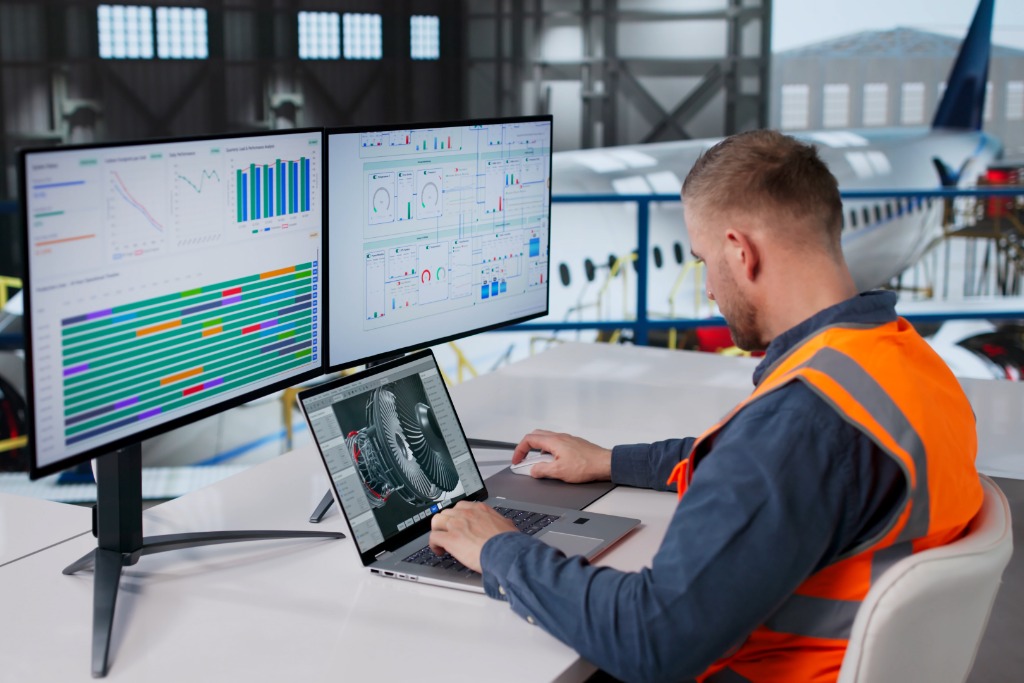
Aerospace testing often requires engineers to repeat the same operating sequence under controlled conditions. Automated control systems help them carry out those sequences without manually adjusting equipment throughout every test.
A controller can receive information from sensors and command a valve to respond according to the programmed test procedure. In a closed-loop arrangement, it can also compare the measured condition with a target value and adjust the valve accordingly.
Automation doesn’t eliminate the need for engineering oversight. Test teams still need to verify the control logic and confirm that the equipment responds appropriately. When the system behaves unexpectedly, engineers must determine whether the problem comes from the test component or the equipment supporting it.
Understanding how aerospace testing equipment manages fluid flow gives you a better appreciation for the engineering that supports reliable aerospace technology. Every successful test depends on more than the component under evaluation. Engineers must also trust the equipment that creates the conditions for accurate testing. As you explore aerospace technology further, consider the work that happens long before a system enters service and why that preparation matters when performance is critical.