
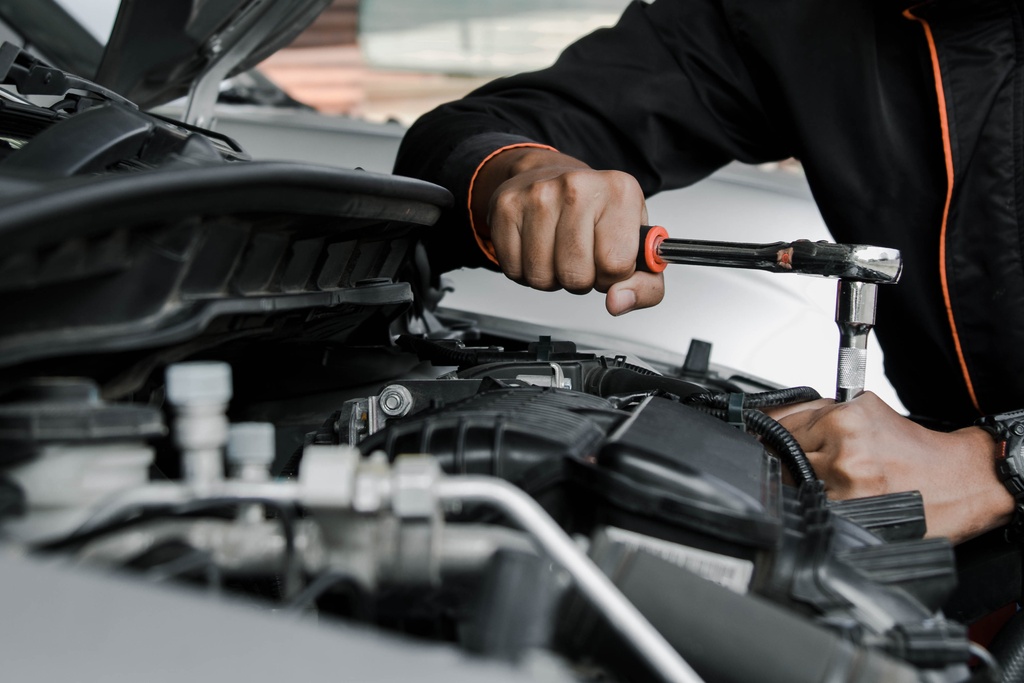
Winter weather has a knack for disrupting plans, whether you’re heading to a concert, opening your business for the morning, or meeting friends for dinner. Cold temperatures put additional strain on vehicle components, and unexpected mechanical problems become frustrating when you’re already running behind schedule. Recognizing the effects of cold weather and addressing maintenance concerns is the starting point for making your vehicle more reliable this winter.
Test the Battery
Cold weather slows the chemical reactions inside a car battery, limiting its ability to deliver the electrical power required to start the engine. At the same time, cold engine oil increases resistance during startup and places additional demands on the electrical system. A battery that worked perfectly throughout summer could struggle after a night of freezing temperatures, particularly if its condition has already deteriorated.
Drivers can evaluate their battery’s condition through a professional load test that measures its ability to deliver power under demanding conditions. When considering installing cold-weather performance car parts, evaluate the existing electrical system to identify potential reliability issues. Maintaining dependable starting power is particularly valuable for anyone who relies on their vehicle throughout the workweek.
Check the Tire Pressure on Cold Mornings
A big drop in temperature affects the air pressure inside tires. Generally, tire pressure decreases by approximately one pound per square inch for every 10-degree Fahrenheit temperature drop. Underinflated tires compromise handling and increase rolling resistance, potentially affecting fuel efficiency. Driving with insufficient pressure also generates excessive heat within the tire, contributing to premature wear and possible structural damage.
Since tire pressure fluctuates with temperature changes, checking inflation levels throughout winter is a worthwhile maintenance habit. Drivers should measure pressure when the tires are cold and use the manufacturer’s specifications on the driver’s doorjamb label as their reference. Maintaining the recommended pressure promotes consistent tire contact with the road and prevents unnecessary wear.
Inspect Tire Tread Before Driving on Ice
Adequate tire tread becomes particularly valuable when winter rain leaves roads covered in standing water. Tread grooves channel moisture away from the contact area between the rubber and pavement, preserving traction during acceleration and braking. As the tread wears down, the tire becomes increasingly vulnerable to hydroplaning because water interferes with its ability to maintain contact with the road.
Although 2/32 of an inch represents the legal minimum tread depth in many states, winter conditions warrant additional consideration. Tires approaching this threshold have limited capacity to channel water or grip snow-covered surfaces. Measuring tread depth across several locations reveals uneven wear that could indicate alignment or inflation problems.
Verify That the Coolant Resists Freezing
The engine’s cooling system performs an essential job even when outdoor temperatures approach freezing. Antifreeze prevents coolant from freezing inside the engine and radiator while protecting internal components against corrosion. If the mixture contains insufficient antifreeze, expanding ice could damage expensive engine components and leave the vehicle inoperable. Consequently, coolant condition deserves attention even when overheating seems like a distant concern.
Many vehicles use a coolant mixture that provides freeze protection near minus 34 degrees Fahrenheit at a 50/50 concentration. A technician can evaluate the mixture’s freeze protection using an appropriate testing instrument.
Coolant levels are equally significant because insufficient fluid could interfere with normal temperature regulation. Inspecting the reservoir when the engine is cold provides an indication of fluid quantity.
Choose the Recommended Oil Viscosity
When temperatures fall, motor oil becomes increasingly resistant to flowing through the engine. The oil must circulate promptly after startup to lubricate moving components and limit friction. Using an unsuitable viscosity could interfere with lubrication during cold starts, particularly when overnight temperatures fall below freezing. Although advanced engine oils handle substantial temperature changes, their performance depends on selecting the grade specified by the vehicle manufacturer.
Multi-grade oils carry designations such as 0W-20 or 5W-30, with the number preceding the W indicating cold-temperature viscosity performance. However, switching to another grade isn’t automatically beneficial because engine designs have specific lubrication requirements. The owner’s manual identifies suitable oil grades and provides guidance regarding temperature conditions.
Replace Worn Windshield Wiper Blades
Rainy winter mornings become frustrating when worn windshield wipers leave streaks across the glass. Damaged rubber edges lose consistent contact with the windshield, creating patches of moisture that obstruct visibility. The problem becomes particularly troublesome when headlights from approaching traffic reflect off wet pavement. In these conditions, even minor deterioration in wiper performance could interfere with a driver’s ability to recognize hazards.
Frequent exposure to sunlight and changing temperatures gradually affects the rubber used in windshield wiper blades. As the material becomes brittle or develops cracks, it struggles to distribute pressure evenly across the glass.
Replacing worn blades restores consistent wiping performance, while properly formulated winter windshield washer fluid prevents freezing during cold conditions. These relatively inexpensive maintenance measures are worthwhile when traveling through heavy rainfall or encountering road spray from surrounding vehicles.
Check the Headlights and Brake Lights
Winter brings limited daylight, and many commuters leave work after sunset. Functional exterior lighting gives drivers the visibility required to identify road conditions and communicate their movements to surrounding traffic. A failed bulb becomes hazardous during heavy rainfall or fog when visibility already suffers. Even functioning headlights produce inadequate illumination when road grime accumulates on the lenses.
Cloudy headlight lenses present another concern because prolonged sunlight exposure gradually deteriorates their protective surfaces. Significant oxidation scatters the light and limits how effectively the headlights illuminate the roadway. Cleaning the lenses removes surface contamination, while restoration or replacement addresses substantial deterioration.
Confirm the Defroster Clears the Windshield
Fogged windows present a common challenge on cold mornings when warm interior air meets chilled glass. The defrosting system directs airflow toward the glass to remove condensation and restore visibility. Warm airflow gradually raises the glass temperature, while the air conditioning system removes moisture from the cabin air when operating in defrost mode. Together, these functions improve visibility and limit recurring condensation.
If the windshield remains fogged despite operating the defroster, restricted airflow or problems with the climate control system could require attention. Testing the rear window defogger is equally worthwhile before cold mornings become a regular occurrence.
Enjoy the Winter With a Safe and Secure Vehicle
Whether your calendar includes gatherings with friends or early office commutes, dependable transportation is vital. Developing good maintenance habits and addressing mechanical concerns will make your vehicle more reliable this winter. With essential components operating properly, you’ll have one less thing to worry about.