
A car has to do more than look good sitting in the driveway. It handles daily commutes, grocery runs, restaurant stops, road trips, traffic, parking lots, and plenty of unpredictable weather along the way. In North Carolina, that can mean everything from intense summer sun and thunderstorms to pollen coating a vehicle seemingly overnight.
Keeping a vehicle looking its best is not about vanity, either. Regular care helps prevent small cosmetic problems from becoming expensive ones while making the car more appealing when it is eventually time to sell or trade it in.
Fortunately, preserving a car’s appearance and value doesn’t require treating a vehicle like a museum piece. A few consistent habits can make a noticeable difference.
Wash It Before Dirt Has Time To Settle In
Regular washing is one of the simplest forms of protection. Dirt, road grime, bug residue, tree sap, and other contaminants cling to exterior surfaces and become harder to remove with time.
North Carolina drivers have another familiar opponent: pollen. During peak pollen season, a clean car can quickly take on a yellow-green tint. Leaving that material on the surface and repeatedly wiping it away dry can contribute to fine scratches.
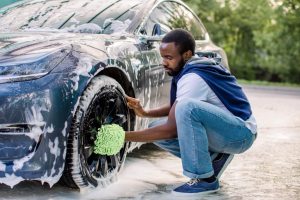
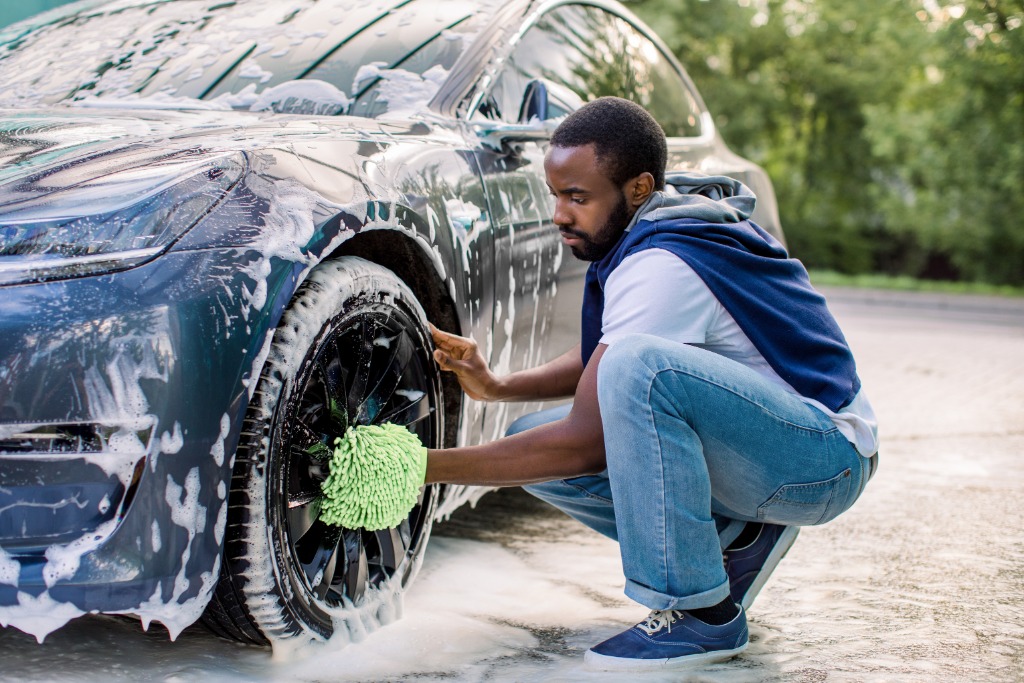
A proper wash removes contaminants without pushing them against the paint. Use products intended for automotive finishes, clean washing materials, and gentle drying towels. And don’t forget less obvious areas, such as the wheel wells, lower body panels, door jambs, and wheels. These locations tend to collect some of the heaviest grime.
Give the Paint More Than a Quick Wash
Washing removes surface dirt, but it doesn’t necessarily address everything affecting the car’s finish. Over time, paint can develop swirl marks, light scratches, oxidation, water spots, and other imperfections that make reflections look dull or hazy.
When those defects become noticeable, understanding how paint correction restores gloss and clarity can help vehicle owners distinguish between simply covering imperfections and actually improving the painted surface.
After the paint is in good condition, some form of protection can maintain it. Depending on the vehicle, budget, and maintenance routine, that might include wax, a synthetic sealant, or a ceramic coating. Each option differs in longevity and upkeep, but the basic purpose is adding a protective barrier between the finish and environmental exposure.
Don’t Let the Interior Become an Afterthought
A glossy exterior makes a great first impression, but an unpleasant interior can undo it in seconds. Stains, odors, faded surfaces, cracked materials, and excessive wear all affect how a vehicle feels and how a potential buyer may judge its condition.
Vacuum carpets and seats regularly, particularly after meals on the go. Food crumbs have an impressive ability to disappear beneath seats and reappear months later. Spills should also be addressed promptly rather than allowed to soak into upholstery. Use cleaners designed for the specific interior material, whether that’s cloth, leather, vinyl, plastic, or another surface. Aggressive multipurpose cleaners can sometimes discolor or damage automotive materials.
Sun exposure matters, too. Parking in shade when practical, using a windshield sunshade, and applying appropriate UV-protective products can reduce long-term fading and deterioration.
Pay Attention to Wheels and Tires
Wheels and tires have an outsized effect on a vehicle’s overall appearance. A freshly washed body paired with neglected wheels can still make the entire car look tired.
Brake dust, road debris, and grime should be removed regularly with products suitable for the wheel finish. Allowing contamination to remain for long periods makes cleaning more difficult and, depending on the wheel material and finish, potentially contribute to permanent cosmetic damage.
Tires deserve functional attention as well. Maintaining the recommended tire pressure and checking tread condition can support even wear, fuel efficiency, handling, and safety. Cosmetic tire products are optional, but basic tire maintenance isn’t.
Fix Small Cosmetic Problems Early
A tiny paint chip may not seem urgent, especially on a busy vehicle that spends its days moving between work, errands, dinner spots, and weekend activities. But small defects are generally easier to address before they grow.
Inspect the car occasionally for paint chips, scratches, windshield damage, damaged trim, stains, and other emerging problems. Paint chips that expose underlying material can be particularly important because they may leave metal vulnerable to corrosion.
The same principle applies inside the vehicle. A small upholstery stain is usually easier to handle today than after months of heat, moisture, and repeated use.
Keep Up With Mechanical Maintenance
Appearance might be the most visible part of vehicle care, but value depends heavily on what happens beneath the surface. Follow the manufacturer’s recommended maintenance schedule and keep records of completed services. Oil changes, fluid checks, brake maintenance, tire rotations, filter replacements, and other routine tasks contribute to reliability and demonstrate responsible vehicle ownership.
Documentation becomes especially useful at resale time. A well-kept stack of service records tells a prospective buyer something a shiny hood cannot: the vehicle received consistent attention throughout its ownership.
Avoid Habits That Create Unnecessary Wear
Everyday behavior can either preserve a car or slowly beat it up. Slamming doors, dragging bags across painted surfaces, placing objects on the roof or trunk, eating messy foods inside the cabin, and allowing trash to accumulate can all contribute to avoidable deterioration. Business owners who spend much of the day driving between meetings may also want to avoid turning the passenger compartment into permanent mobile storage.
None of this means the vehicle can’t be enjoyed. After all, cars are meant to be used. It simply helps to recognize which habits create damage without providing any real benefit.
Consistency Matters More Than Perfection
There is no realistic way to keep a regularly driven car completely untouched. Stone chips happen. Rain falls five minutes after a wash. Someone eventually drops a fry between the seats. The better goal is consistent care.
Routine washing, paint protection, prompt attention to damage, interior cleaning, smart parking, and documented mechanical maintenance all contribute to preserving car appearance and value over the long term. Instead of waiting until the vehicle looks neglected, small maintenance habits keep deterioration from gaining momentum.