
Transporting large quantities of liquids is an essential part of many industries, including chemical manufacturing, agriculture, food production, pharmaceuticals, and energy. From water and oils to hazardous chemicals and industrial solutions, moving liquids safely requires specialized equipment, careful planning, and strict adherence to safety standards. To improve their own capabilities, companies must know how industries safely move large quantities of liquid, ensuring those liquids reach their destination without spills, contamination, or environmental harm.
The Challenges of Transporting Liquids
Liquids present unique transportation challenges compared to solid materials. Because liquids shift and move within containers, they can create instability during transit. Sudden movement, temperature changes, and pressure fluctuations can affect both the liquid and the container holding it.
Another challenge involves the wide variety of liquids being transported. Some liquids are corrosive, flammable, or hazardous, while others, such as food-grade liquids, require strict sanitation and contamination control. Each type of liquid requires specific containers and handling procedures to ensure safe transport.
Industries must also account for environmental risks. Even a small leak during transport can cause significant damage to ecosystems or pose safety hazards to workers and nearby communities. As a result, companies invest heavily in protective systems and preventative measures.
Specialized Containers and Equipment
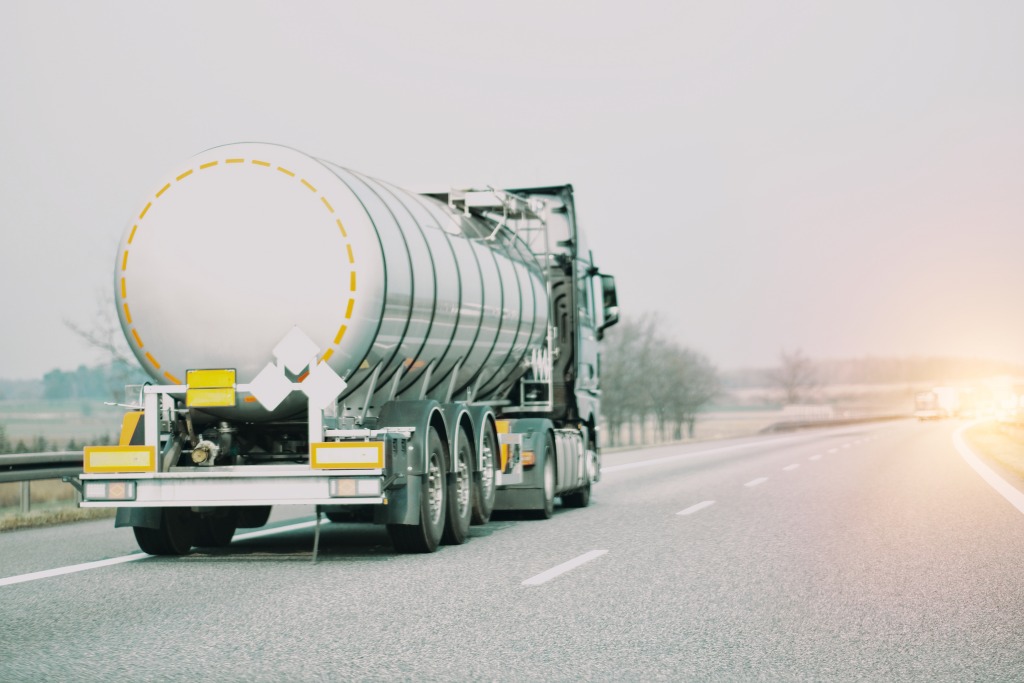
One of the most important elements of liquid transportation is the use of specialized containers. Tank trucks, rail tank cars, intermediate bulk containers (IBCs), and large storage tanks are designed specifically to handle liquid cargo.
These containers are engineered to minimize movement and maintain structural integrity during transport. Baffles inside tanks help reduce sloshing, which stabilizes vehicles and prevents sudden shifts in weight. Sealed valves and reinforced walls help prevent leaks and protect against external damage.
Materials used in these containers also vary depending on the liquid being transported. Stainless steel is commonly used for food-grade and pharmaceutical liquids, while certain plastics or lined tanks are used for corrosive chemicals. The right container ensures both safety and product quality throughout the transportation process.
Safety Regulations and Industry Standards
Government regulations and industry standards play a crucial role in ensuring liquids are transported safely. Organizations such as the U.S. Department of Transportation (DOT), Environmental Protection Agency (EPA), and Occupational Safety and Health Administration (OSHA) establish guidelines for packaging, labeling, and transporting liquid materials.
These regulations require proper documentation, hazard identification, and training for personnel involved in the transportation process. For hazardous liquids, companies must follow strict labeling requirements and use containers that meet certified safety specifications.
Routine inspections and maintenance are also required to ensure tanks, hoses, and valves remain in good working condition. By following these standards, companies reduce the risk of accidents and protect both workers and the environment.
The Importance of Proper Handling and Training
Even the most advanced equipment cannot guarantee safety without properly trained personnel. Workers responsible for loading, transporting, and unloading liquids must understand the risks associated with the materials they handle.
Training programs teach employees how to inspect containers, operate transfer equipment, respond to spills, and follow emergency procedures. These programs help prevent accidents and ensure that employees know how to respond quickly if something goes wrong.
There are tried and tested ways to transport liquids in bulk, and it’s essential that your employees understand the proper procedures to eliminate mishandling risks.
Ensuring Safe and Efficient Liquid Movement
Moving large quantities of liquids is a complex process that requires careful coordination between engineering, logistics, and safety management. By using specialized containers, following strict regulations, and investing in worker training, industries can transport liquids safely and efficiently.
As global supply chains continue to expand, the ability to move liquids reliably remains a critical part of modern industry. Maintaining strong safety practices ensures that these materials reach their destinations while protecting people, equipment, and the environment.