
Running a store takes a lot of work. Between customers, inventory, staffing, and the everyday tasks that keep the business moving, exterior upkeep can take time away from other priorities. Wish you could spend less time maintaining the outside of your building so you can focus more on what happens inside? A few exterior changes can reduce storefront maintenance without leaving the property looking neglected. The key is removing recurring sources of cleanup and choosing materials that require less upkeep over time.
Replace Natural Grass With Artificial Turf
If you have grass outside your storefront, replacing it with artificial turf can lower the amount of landscaping work you need to handle each week. Natural grass needs mowing throughout the growing season, and dry weather adds watering to the schedule.
Many business owners worry artificial turf will look fake or cheap, but high-quality artificial grass can look surprisingly natural. The right installation keeps the surface from having the flat appearance people sometimes associate with older turf.
Choose Larger Window Panes
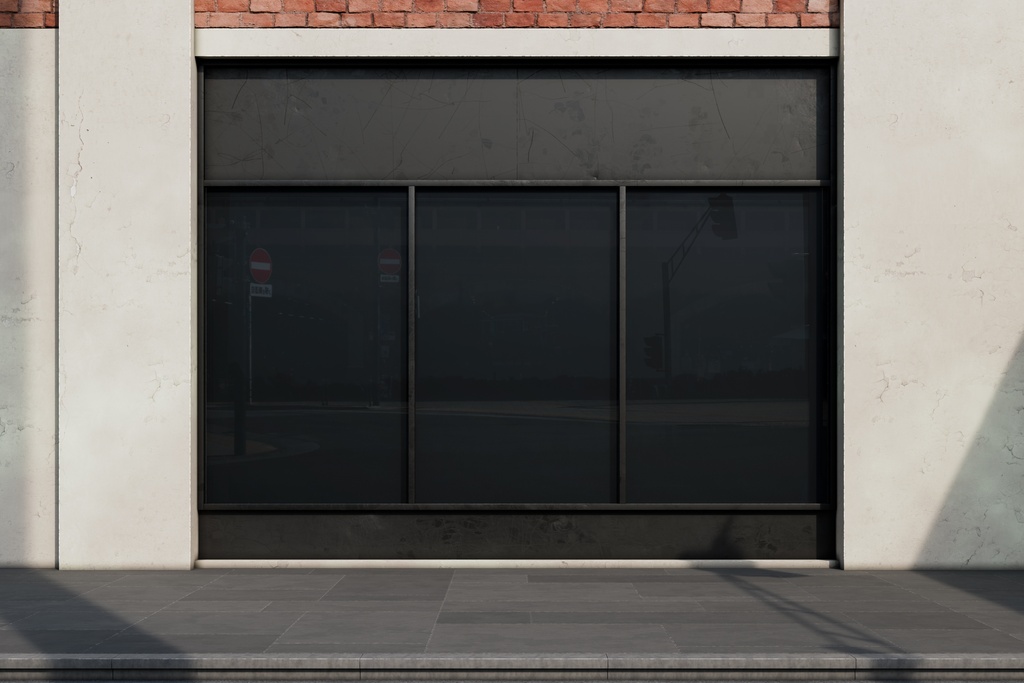
Storefront windows require less tedious cleaning when the glass isn’t broken into numerous small sections. Every frame creates another edge where dirt builds up, so a window with several separate panes takes longer to wash than one broad surface.
Larger panes reduce those interruption points. You can clean across more of the glass without repeatedly stopping to work around dividers. The window still needs regular washing, but the job itself takes fewer steps. If you’re replacing storefront glass, pane size is one design choice that can reduce future cleaning work.
Install a Longer Entrance Mat
Much of the dirt inside a storefront enters through the front door on customers’ shoes. A small mat catches some of it, but people cross it too quickly for the surface to remove much debris.
A longer commercial mat gives each person more contact with the material before they reach the main floor. As a result, more dirt remains near the doorway instead of traveling deeper into the store. You’ll still need to clean the mat, but concentrating the mess in one area reduces how much sweeping or mopping the surrounding floor requires.
Use a Lower-Sheen Exterior Finish
A glossy exterior surface makes minor grime easier to see because light reflects across every mark. That can make a storefront look overdue for cleaning even when the buildup itself is fairly limited.
A lower-sheen finish draws less visual emphasis to small marks between washes. You still need to remove dirt once it accumulates, but you aren’t reacting to every little spot the moment it appears. When repainting the storefront, selecting a finish that doesn’t highlight minor surface grime can lengthen the time between cosmetic cleanups without leaving the exterior looking neglected.
Add a Protective Wall Coating
Exterior walls become harder to wash when dirt settles into a porous surface. Rain carries grime against the material, and some of that residue can work deeper into uncoated areas instead of remaining on top.
A protective coating creates a barrier over the wall. Because the dirt remains nearer the surface, routine washing takes less scrubbing than it would on untreated porous material. The main maintenance benefit comes from preventing grime from working as deeply into the exterior. That reduces the effort required each time the wall needs to be cleaned.
Improve Drainage Near the Entrance
Poor drainage creates repeated cleanup whenever rainwater collects near the storefront. Water picks up dirt from the surrounding ground, then leaves muddy residue behind as customers walk through the area.
Directing runoff away from the entrance limits how much dirty water gathers there after a storm. With less standing water, you also get less mud near the doorway. That reduces the amount of cleanup tied to wet weather rather than forcing you to scrub the same area after every rainfall. Fixing the drainage source prevents the mess from returning as frequently.
Replace Exterior Wood Trim
Wood trim needs recurring surface care because outdoor exposure wears down its finish over time. Once that protective coating deteriorates, refinishing becomes necessary to keep moisture from working into the wood.
Composite trim removes that repeated refinishing cycle. The material still needs occasional washing, but it doesn’t require the same sanding and repainting schedule as exposed wood. If your storefront has a lot of exterior trim, changing the material can eliminate a maintenance job that otherwise returns every few years.
Use Covered Outdoor Trash Cans
Open trash cans can create extra work when wind pulls lightweight waste out of the container. Once that happens, someone has to collect the debris from around the storefront instead of simply emptying the bin.
A covered receptacle keeps the contents contained until pickup. The lid blocks wind from getting underneath loose trash and carrying it across the property.
Install an Awning Over the Door
Rain reaching the front entrance creates repeated cleanup inside the doorway. Customers step through water outside, then carry some of that moisture onto the interior floor as they enter.
An awning reduces how much rain lands directly in front of the door. With less water covering that small area, less moisture gets tracked inside during wet weather. The maintenance benefit stays focused right where traffic is highest: you spend less time drying or mopping the entrance after storms. A covered doorway won’t stop every wet footprint, but it reduces the source.
Keep Plants Away From Exterior Walls
Plants growing against a storefront make wall maintenance harder because branches block access to the surface. Every time you need to wash the exterior or inspect an area, dense growth gets in the way.
Leaving space between landscaping and the building solves that access problem. You can reach the wall without pushing branches aside or trimming plants simply to create enough room to work. The landscaping can remain part of the exterior without interfering with basic property care.
Spend Less Time on Exterior Upkeep
You can’t eliminate every maintenance task around a storefront, but you can stop creating unnecessary ones. Materials that need less recurring treatment and exterior features that control common sources of mess can reduce storefront maintenance throughout the year. Over time, that means fewer hours spent scrubbing the same surfaces, refinishing weathered materials, or cleaning up problems that return after every storm. Your storefront still gets the care it needs without demanding such a large piece of your weekly schedule.