
From warehouses and construction sites to delivery services and major events, the right workwear can make a difference in worker safety and comfort. Choosing proper gear isn’t just about meeting workplace standards; it helps workers stay visible, protected, and prepared throughout long shifts. For businesses and independent workers alike, knowing what to consider when selecting safety apparel for work starts with understanding the environment and the specific risks involved.
Visibility Is a Key Factor
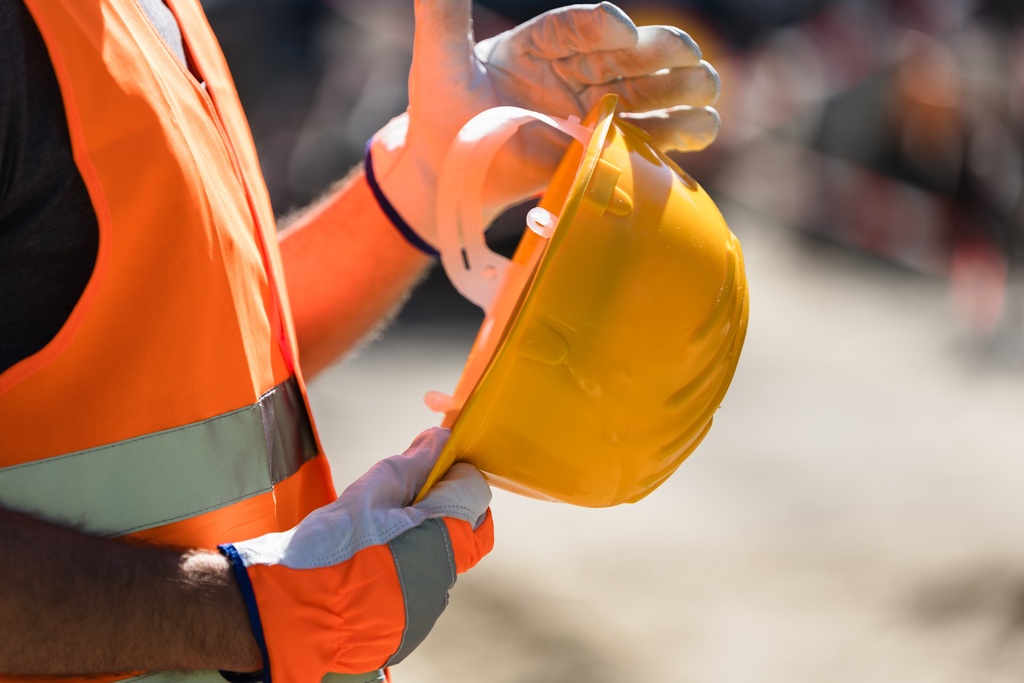
One of the first things to consider is how visible workers need to be during the job. Environments with traffic, heavy equipment, dim lighting, or unpredictable weather all require apparel designed to stand out.
Not all high-visibility clothing works the same way. Fluorescent materials are designed to improve visibility during daylight hours, while reflective materials are intended to help workers remain visible in darker conditions or around headlights and artificial lighting. Understanding the difference between fluorescent and reflective clothing allows businesses to choose apparel that matches the work environment and schedule without sacrificing safety.
Comfort Keeps Workers Focused
Safety apparel only works when workers actually want to wear it consistently. If gear feels bulky, traps heat, or limits movement, it can become more of a distraction than a benefit.
Breathable materials, moisture-wicking fabrics, and lightweight safety vests can make a noticeable difference in worker comfort during long shifts. Flexible fits and layered options also help workers stay comfortable when temperatures or working conditions change throughout the day. The best safety apparel for work balances protection with comfort so workers can stay productive without discomfort.
The Gear Should Match the Job
Different industries require different levels of protection. Construction crews may need ANSI-rated high-visibility apparel, while delivery drivers, maintenance teams, or event staff may benefit from lighter visibility gear designed for mobility and convenience.
Business owners should also consider additional factors, such as:
- Weather resistance
- Durability
- Heat protection
- Waterproof materials
- Compatibility with other safety equipment
Investing in quality apparel leads to better long-term performance and fewer garment replacements over time.
Professional Appearance Still Matters
Safety apparel can also contribute to a more professional and organized appearance. Coordinated workwear helps teams look prepared and makes them easier to identify, especially in customer-facing environments or large public spaces. For growing businesses, maintaining a polished image while prioritizing worker safety leaves a stronger impression on customers, clients, and event attendees.
Choosing the right safety apparel for work ultimately comes down to understanding the work environment, prioritizing comfort, and selecting gear designed for real-world conditions. The right combination can improve worker safety, confidence, and overall job performance.