

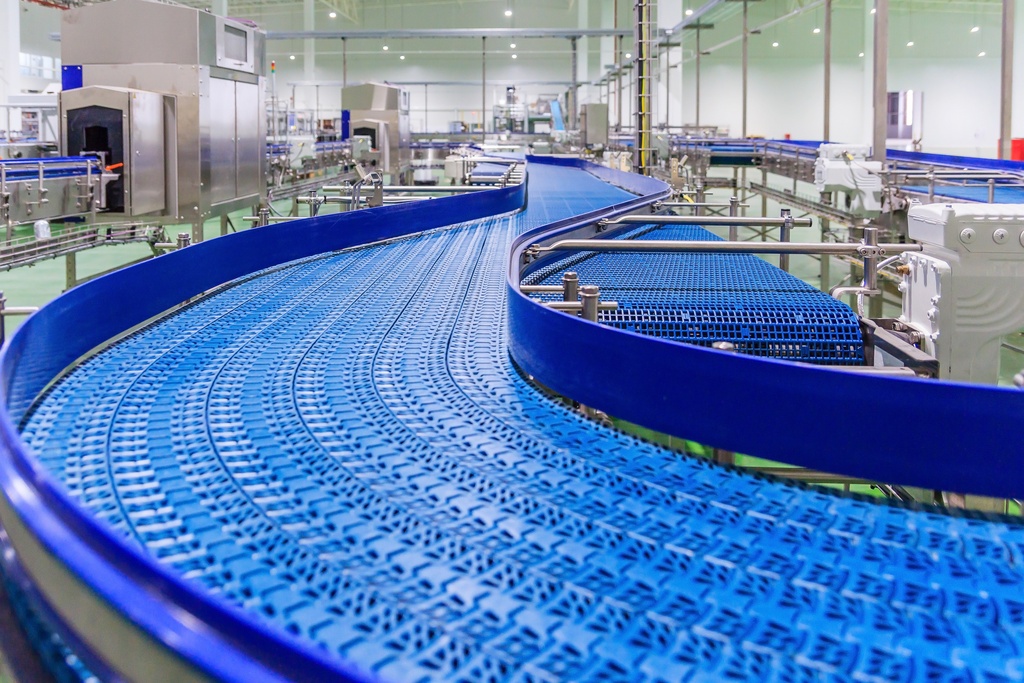
Automation tools have emerged as a powerful solution that allows manufacturers to meet these challenges through improved speed, accuracy, and operational consistency across complex production environments. Instead of reliance on manual labor for repetitive processes, companies deploy control systems and smart machinery that perform tasks with precision across extended production schedules.
As global competition intensifies, manufacturers that invest in automation tools gain the ability to scale production without constant expansion of physical facilities or large increases in labor expense. Scaling manufacturing output with automation tools allows organizations to respond quickly to market demand, improve delivery reliability, and maintain consistent product standards across every stage of the assembly process.
Automation and Output Growth
Automation tools increase factory output through precise machine control, rapid cycle repetition, and reduced human error across tasks that once limited daily production levels overall. Robotic systems also support a consistent pace across shifts, which helps plants meet demand spikes without heavy overtime or unstable workforce expansion during peak order periods. Automated inspection devices detect defects early, which protects product quality while machines continue operation with minimal pause or manual review across each unit batch cycle.
Cost Control Through Automation
Automation reduces labor expense pressure since machines handle repetitive assembly steps that once required large teams across extended factory shifts during high-demand order cycles. Lower error rates also cut material waste, which protects profit margins and helps manufacturers keep product prices competitive within crowded industrial markets across global trade. Automation platforms also connect equipment data with enterprise software, which gives leaders clear visibility into performance, maintenance needs, and resource allocation across each plant network.
Data Insight for Factory Leaders
Learning the reasons you should automate your assembly line will help you make informed decisions about equipment investment priorities and long-term factory capacity strategy. Operational data from sensors and control systems reveals bottlenecks, machine idle periods, and throughput gaps that leaders address with targeted automation upgrades across major workstations. Clear metrics support evidence-based decisions across maintenance, workforce allocation, and equipment purchase, which strengthens strategic planning across complex production networks within modern industrial firms.
Long-Term Competitive Advantage
Scaling manufacturing output with automation tools helps achieve faster order fulfillment, consistent quality, and scalable capacity that supports growth across regional and global markets over many years. Reliable automated production also strengthens customer trust because clients receive uniform products, dependable delivery schedules, and transparent performance data across long supply relationships each year. Automation readiness further positions manufacturers to adopt advanced robotics, artificial intelligence systems, and smart logistics platforms as industrial technology evolves across global industry sectors rapidly.
Automation tools offer manufacturers a practical path toward higher output, stronger quality control, and resilient operations that adapt to demand shifts across modern industrial markets. Organizations that evaluate automation carefully can expand capacity, stabilize cost, and prepare factories for future technology while also strengthening workforce capability across global industry sectors.