

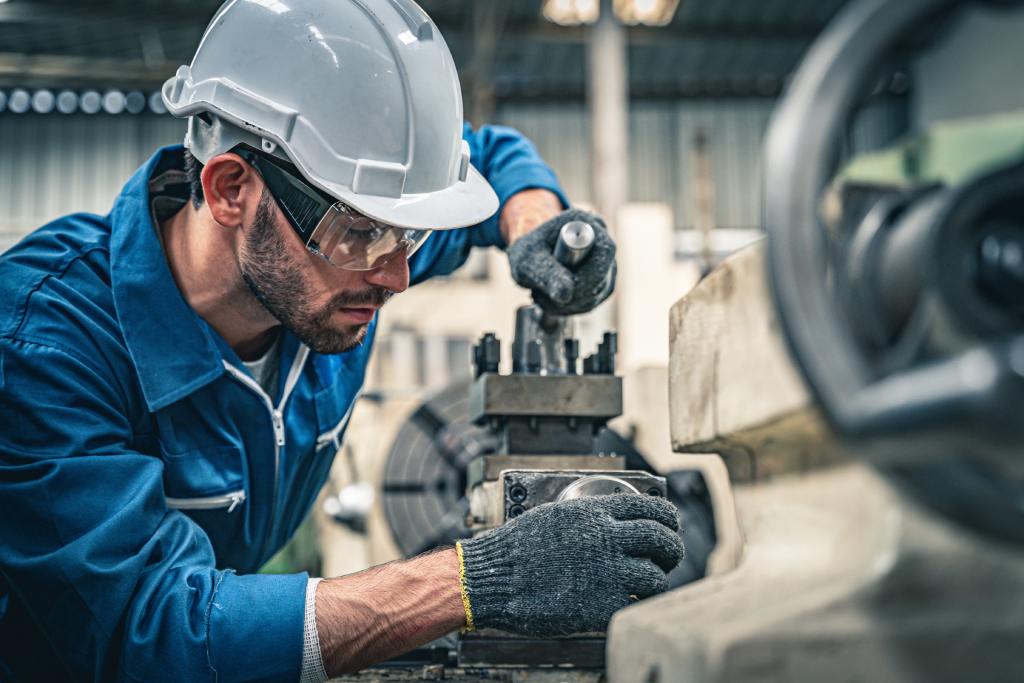
Industrial workshops rely on a combination of powerful machines and skilled operators to produce high-quality parts and products. Whether a facility specializes in metal fabrication, machining, or general manufacturing, having the right equipment plays a major role in efficiency and precision. The key machines every industrial workshop should have not only improves productivity but also ensure that projects can be completed accurately and consistently.
Milling Machines for Precision Shaping
Milling machines are one of the most important tools found in industrial workshops. These machines are used to remove material from a workpiece using rotating cutting tools. With their ability to create slots, holes, contours, and complex shapes, milling machines are essential for manufacturing precise components.
Modern milling machines often use computer numerical control (CNC), allowing operators to program detailed designs and execute them with remarkable accuracy. This automation reduces human error while increasing production speed. Milling machines are commonly used in industries such as automotive manufacturing, aerospace engineering, and heavy equipment production. Because of their versatility and precision, they are a core piece of equipment in almost every industrial workshop.
Lathe Machines for Rotational Machining
Lathe machines play a crucial role in shaping cylindrical parts by rotating a workpiece against a stationary cutting tool. This process allows operators to create smooth, symmetrical components such as shafts, bushings, and threaded parts. Many industries rely heavily on lathe machines because they provide consistent and accurate results when working with metals, plastics, and other materials.
Modern lathes may also feature CNC capabilities, allowing for automated operations and extremely precise cuts. These machines are especially valuable when producing parts that require tight tolerances and smooth finishes. While lathes are invaluable pieces of equipment, there are considerations when setting it up and operating it. Make sure you understand what you’re doing when using a lathe, as it can present dangers to new users.
Drill Presses for Accurate Hole Creation
A drill press is another essential machine for industrial workshops. Unlike handheld drills, a drill press provides stable and controlled drilling operations. The machine holds the drill bit in place while the workpiece remains secure on a fixed table, allowing for consistent hole depth and placement.
Drill presses are widely used in manufacturing because they allow workers to produce multiple identical holes quickly and accurately. Many drill presses also include adjustable speeds and depth stops, which help maintain uniformity during production runs. These machines are commonly used for metalworking, woodworking, and plastic fabrication, making them a versatile addition to any workshop.
Grinding Machines for Finishing and Precision
Grinding machines are used to refine surfaces and achieve precise finishes on manufactured components. These machines use abrasive wheels to remove very small amounts of material, allowing for smooth surfaces and accurate dimensions. Grinding is often the final step in a machining process when a part must meet strict tolerances.
In industrial workshops, grinding machines are used to sharpen tools, smooth metal surfaces, and prepare components for assembly. Surface grinders and cylindrical grinders are among the most common types, each designed for specific finishing tasks. The ability to produce smooth finishes and precise measurements makes grinding machines an important part of modern manufacturing operations.
Building a Well-Equipped Workshop
A successful industrial workshop depends on having reliable equipment that supports both efficiency and accuracy. Machines such as milling machines, lathe machines, drill presses, and grinding machines provide the foundation for many manufacturing processes. Each machine serves a specific purpose, allowing workers to shape, drill, cut, and refine materials with precision.
By investing in these essential machines, workshops can expand their capabilities, improve product quality, and maintain consistent production standards. With the right equipment in place, industrial operations can handle complex projects while meeting the demands of modern manufacturing.