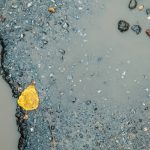


Asphalt parking lots are built to withstand heavy traffic and changing weather conditions, but they are not immune to damage. Over time, even well-installed pavement can begin to deteriorate. In many cases, however, the problem is not simply age. A number of common maintenance and management mistakes can cause asphalt surfaces to break down much faster than expected. Understanding why your asphalt lot is deteriorating can help you extend the lifespan of your lot and avoid costly repairs.
Ignoring Small Cracks and Early Damage
One of the most common mistakes property owners make is ignoring small cracks when they first appear. These minor imperfections may not seem like a big deal at first, but they often serve as entry points for water. Once water penetrates the asphalt surface, it can weaken the base layers beneath the pavement.
During freeze-thaw cycles, trapped moisture expands and contracts, widening cracks and creating structural damage. Over time, these small cracks can turn into potholes and widespread surface deterioration. Knowing how to properly patch these cracks early will go a long way to extending your lot’s longevity.
Poor Drainage Around the Lot
Water is one of the biggest enemies of asphalt. Parking lots that are poorly graded or lack proper drainage systems tend to experience accelerated deterioration. When water pools on the surface, it slowly seeps into the pavement structure and weakens the underlying base.
Standing water can also soften the asphalt binder, causing the surface to lose strength and stability. This leads to rutting, depressions, and surface cracking. Proper drainage design and routine inspections can help ensure that water flows away from the pavement instead of collecting on it.
Skipping Routine Sealcoating
Sealcoating is often viewed as optional maintenance, but skipping it can significantly shorten the life of an asphalt lot. Sealcoating protects pavement from ultraviolet rays, moisture, oil spills, and other environmental factors that break down asphalt over time.
Without this protective layer, the asphalt binder becomes brittle and more susceptible to cracking. Sun exposure in particular can dry out the surface, causing it to fade and weaken. Regular sealcoating not only improves the appearance of a parking lot but also adds an important layer of protection against premature deterioration.
Heavy Traffic Beyond the Lot’s Design
Many parking lots experience heavier traffic than they were originally designed to support. Delivery trucks, construction vehicles, and other heavy equipment place far greater stress on asphalt than passenger vehicles.
When pavement is subjected to loads beyond its intended capacity, it can develop deep ruts, cracks, and surface fatigue. Over time, this repeated stress weakens the structure of the asphalt and leads to rapid deterioration. In areas where heavy vehicles frequently travel, reinforced pavement designs or thicker asphalt layers may be necessary.
Protecting the Longevity of Your Asphalt
The reasons for asphalt deterioration are many and it rarely happens overnight. In most cases, it results from a combination of environmental factors and avoidable maintenance mistakes. Ignoring early signs of damage, neglecting drainage issues, skipping sealcoating, and relying on poor-quality repairs can all shorten the lifespan of a parking lot.
With proactive maintenance and proper repair techniques, property owners can significantly extend the life of their asphalt surfaces. Regular inspections and timely repairs help prevent small problems from turning into major pavement failures, ultimately saving both time and money.