

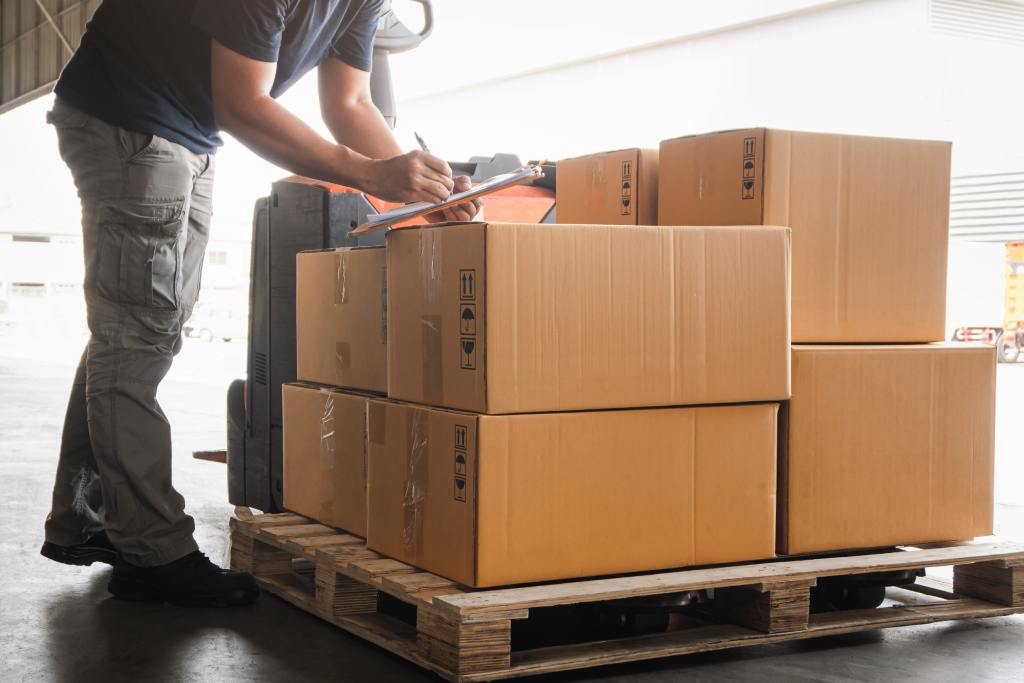
Running a business requires constant decisions about spending, inventory, and efficiency. Smart purchasing habits help you stretch every dollar while keeping operations smooth. Bulk purchasing offers a practical way to lower costs, stabilize supply, and simplify procurement. When you plan purchases strategically, you gain more control over inventory and spending. Many businesses overlook how much impact buying larger quantities can create.
Why Bulk Purchasing Reduces Costs
Suppliers reward larger orders with stronger pricing. When your business commits to higher volume orders, you often unlock wholesale discounts, reduced per-unit shipping costs, and better negotiation leverage.
Instead of placing small, frequent orders, you consolidate spending and lower your average cost per item. Over time, those savings improve margins and free cash for marketing, hiring, or expansion. Many companies also gain access to priority service and faster order processing once they demonstrate consistent high-volume purchasing.
How Bulk Orders Improve Inventory Planning
Consistent purchasing patterns make forecasting easier. When you buy larger quantities, you reduce the risk of frequent stockouts. Teams spend less time rushing emergency orders and more time focusing on growth.
Bulk orders also support better supplier relationships. Vendors prioritize clients who order consistently and communicate clear purchasing schedules. Strong supplier partnerships often lead to early access to new products, better restock timelines, and more flexible negotiations.
Better planning also improves internal efficiency. Purchasing teams handle fewer transactions, accounting teams process fewer invoices, and operations managers maintain steadier inventory levels.
Products That Work Well For Bulk Purchasing
Not every product fits bulk buying, but many common business supplies deliver strong value when companies purchase them in larger quantities. Many companies also explore buying bulk electronics when they need accessories, components, or resale inventory.
Consider items your business uses frequently and predictably.
Common bulk purchase categories include:
- office supplies like paper, pens, and printer toner
- packaging materials including boxes, tape, and shipping labels
- cleaning products for offices, warehouses, or storefronts
- technology accessories such as cables, chargers, and adapters
When businesses identify repeat-use products, they create reliable purchasing cycles that support bulk ordering.
Tips For Getting Started With Bulk Purchasing
Start with data. Review sales trends, usage rates, and seasonal demand before placing large orders. Accurate forecasting protects your business from overstock while still delivering savings.
Next, build relationships with reliable suppliers. Ask about volume discounts, contract pricing, and shipping incentives. Suppliers often provide additional savings when they understand your long-term purchasing plans.
Finally, track performance after each bulk order. Monitor turnover rates, storage capacity, and profit margins. These insights help you refine purchasing quantities and improve future orders.
Avoid Common Bulk Purchasing Mistakes
Some businesses rush into large orders without evaluating storage, demand, or supplier reliability. That approach creates clutter, ties up cash, and increases risk. Smart buyers avoid these mistakes by following simple practices:
- calculate realistic monthly usage before committing to large order quantities
- confirm storage space and inventory management processes
- compare multiple suppliers to secure better pricing and delivery terms
- review reorder timelines so products move before shelves overflow
When you combine planning, supplier negotiation, and careful tracking, bulk purchasing becomes a powerful cost control tool. Your business gains efficiency, stability, and stronger buying power in competitive markets. Start small, measure results, and expand bulk orders as confidence grows across your operations and purchasing strategy over time for financial improvement and smarter inventory management.