

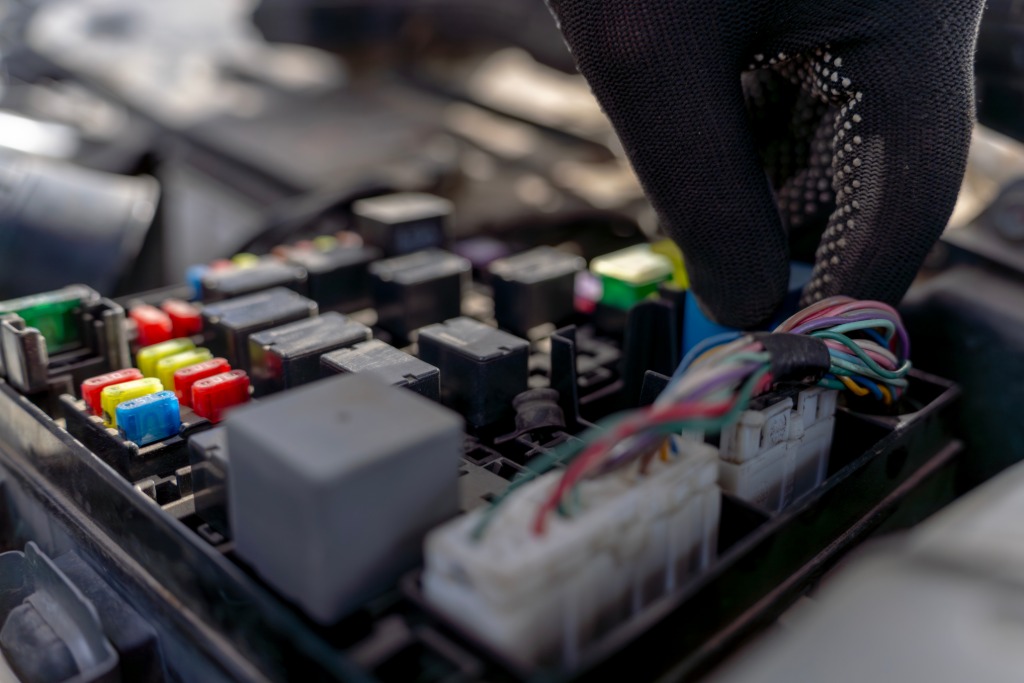
Vehicle wiring parts need steady contact to send power and signals where they belong. When vibration loosens, bends, rubs, or cracks those parts, small electrical problems can turn into frustrating repairs. A flickering light, random warning message, or intermittent sensor fault may start with a connection that no longer holds firm. Here’s how vibration damages vehicle wiring parts.
Small Movement Adds Up
Vibration rarely destroys wiring in one moment. It usually causes damage through repeated movement. A wire harness may shift slightly every time the engine runs. A connector may flex every time the vehicle hits a bump. Over time, that small movement can weaken terminals, loosen clips, or wear through insulation.
Once insulation wears down, wires can short against metal surfaces or nearby wires. That can create blown fuses, false alerts, poor sensor readings, or components that stop working without warning. These problems often come and go, which makes them harder to diagnose.
Connectors Take the Stress
Connectors play a major role in vehicle electrical systems because they join wiring to sensors, lights, control modules, and other components. Vibration can loosen locking tabs, widen terminal contact points, or damage seals that keep out moisture and debris.
A loose connector may still look fine at a glance. The problem may appear only when the vehicle moves, turns, or idles. That’s why technicians often wiggle harnesses and inspect terminals when they chase intermittent electrical issues.
Testing for automotive connector quality helps manufacturers and repair professionals understand how well connectors handle vibration, heat, moisture, and repeated use. Stronger connector designs can reduce failures, but proper installation and routing still play a big role.
Harness Routing Matters
Wiring harnesses need room to move without rubbing against sharp edges, hot surfaces, or moving parts. Poor routing can turn normal vibration into steady abrasion. A harness that rests against a bracket, engine component, or frame edge can lose protection faster than expected.
Clips, grommets, sleeves, and brackets help hold wiring in the right position. When those supports break or disappear after a repair, the harness may sag, rub, or pull on connectors. That strain can create new problems even when the original repair went well.
Heat Makes Damage Worse
Vibration often teams up with heat. Under-hood wiring faces high temperatures from the engine, exhaust components, and surrounding equipment. Heat can make insulation brittle and reduce flexibility. Once wiring loses flexibility, vibration can cause cracks and breaks more easily.
Cold weather can create similar issues. Stiff wires and plastic connectors don’t absorb movement as well, especially in older vehicles. Seasonal temperature changes can speed up wear in already weakened parts.
Watch for Warning Signs
Drivers should pay attention to electrical problems that appear during movement. Flickering lights, random dashboard warnings, inconsistent power windows, rough idle signals, or sensor faults that come and go may point to vibration-related wiring damage.
A visual inspection can reveal worn insulation, loose clips, cracked connectors, or corrosion near terminals. A technician can test the circuit and inspect the harness path to find the source instead of replacing parts by guesswork.
Protect the Connection
How vibration damages vehicle wiring parts depends on movement, routing, and connector strength. Secure harnesses, clean connectors, strong clips, and proper routing all help electrical parts last longer.
When technicians treat wiring parts as critical components instead of afterthoughts, they can prevent repeat problems and improve reliability. A stable connection keeps signals clear, systems responsive, and drivers more confident every time they start the engine.