

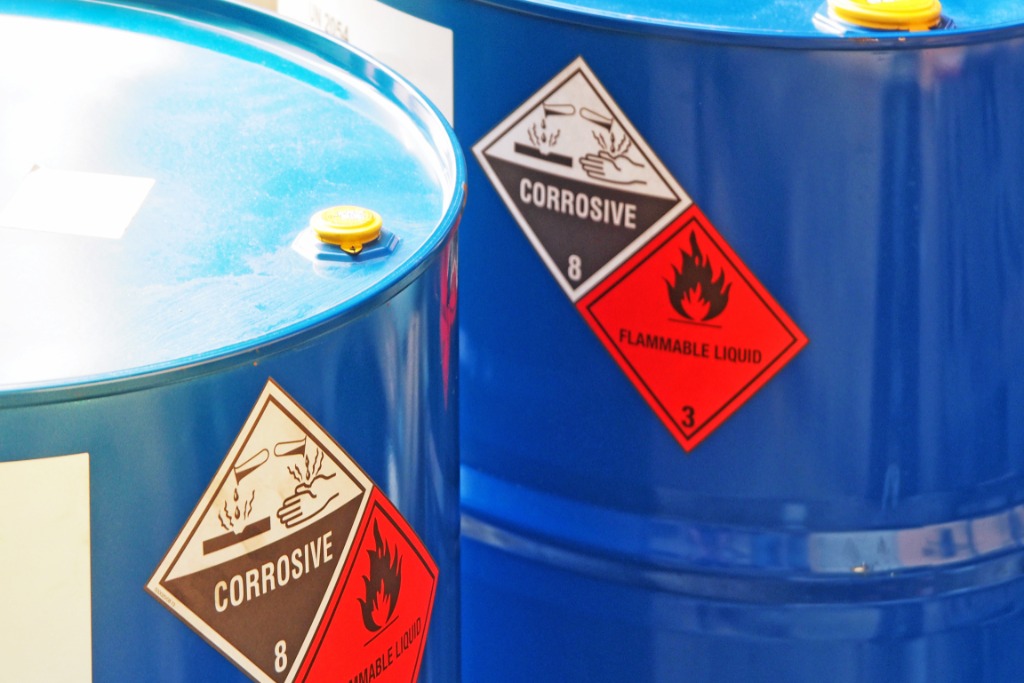
Every job site that uses industrial chemicals faces real safety risks. Workers handle solvents, fuels, cleaners, and corrosive materials every day. Poor storage practices create spills, fires, contamination, and serious injuries. Site managers must organize chemicals carefully and enforce clear storage rules. Proper planning protects workers, equipment, and the surrounding environment while keeping operations efficient.
Identify and Label Every Chemical
Clear identification prevents confusion and dangerous mixing. Supervisors should review all containers as chemicals arrive on site. Teams must place durable labels on every container and include hazard warnings, handling instructions, and expiration dates. Workers should never store unidentified materials in any storage area.
Consistent labeling helps crews respond quickly during emergencies and simplifies safety inspections.
Separate Incompatible Chemicals
Many chemical accidents start when incompatible substances sit too close together. Acids, oxidizers, flammable liquids, and reactive materials require different storage zones. Site managers should review Safety Data Sheets before assigning storage locations. Proper separation reduces the chance of dangerous reactions.
Use clear organization rules such as:
- Store flammable liquids away from ignition sources
- Keep acids separated from bases and oxidizers
- Place reactive metals in dry controlled cabinets
- Maintain secondary containment for liquid chemicals
Choose Secure Storage Structures
Job sites often require dedicated structures that protect chemicals from weather, theft, and accidental contact. Many contractors install reinforced storage units designed for hazardous materials. Some operations rely on chemical storage buildings that include ventilation systems, spill containment features, and controlled access points. These structures help crews manage large volumes safely.
Control Access and Train Workers
Limited access reduces mistakes and prevents unauthorized handling. Site leaders should allow only trained workers to enter chemical storage areas. Clear procedures should outline handling steps, spill response actions, and emergency contacts. Regular training sessions reinforce safe habits and keep crews aware of changing hazards. Supervisors should also inspect storage areas frequently.
Maintain Safe Storage Conditions
Temperature control, ventilation, and spill prevention all support safe chemical management. Workers should monitor storage environments daily and correct problems immediately. Damaged containers require replacement before leaks spread across the job site. Teams should also keep absorbent materials, neutralizing agents, and spill kits nearby.
Clean and organized storage areas reduce hazards and improve efficiency. Crews should remove empty containers, outdated chemicals, and damaged packaging without delay. Good housekeeping keeps aisles clear and helps workers locate materials quickly.
Document and Review Chemical Inventory
Accurate records support safer storage decisions. Managers should maintain an updated inventory that lists each chemical, quantity, and storage location. Digital tracking systems help teams monitor usage patterns and identify materials that require special controls.
Regular reviews allow supervisors to remove unnecessary chemicals and reduce overall risk.
Build a Strong Chemical Storage Culture
Safe storage requires consistent attention from everyone on the job site. Leadership must set expectations, enforce rules, and provide the resources crews need. Workers should report leaks, damaged containers, or labeling problems immediately. Strong communication keeps small problems from becoming major incidents.
Companies that prioritize organized chemical storage protect workers and maintain smoother operations. Clear procedures, reliable storage infrastructure, and consistent training reduce accidents across active job sites. When teams follow structured storage practices, they strengthen safety performance and regulatory compliance.
With disciplined organization and ongoing training, job sites can control chemical hazards and protect workers every day. Strong storage practices support safety, compliance, and reliable daily operations everywhere today.