

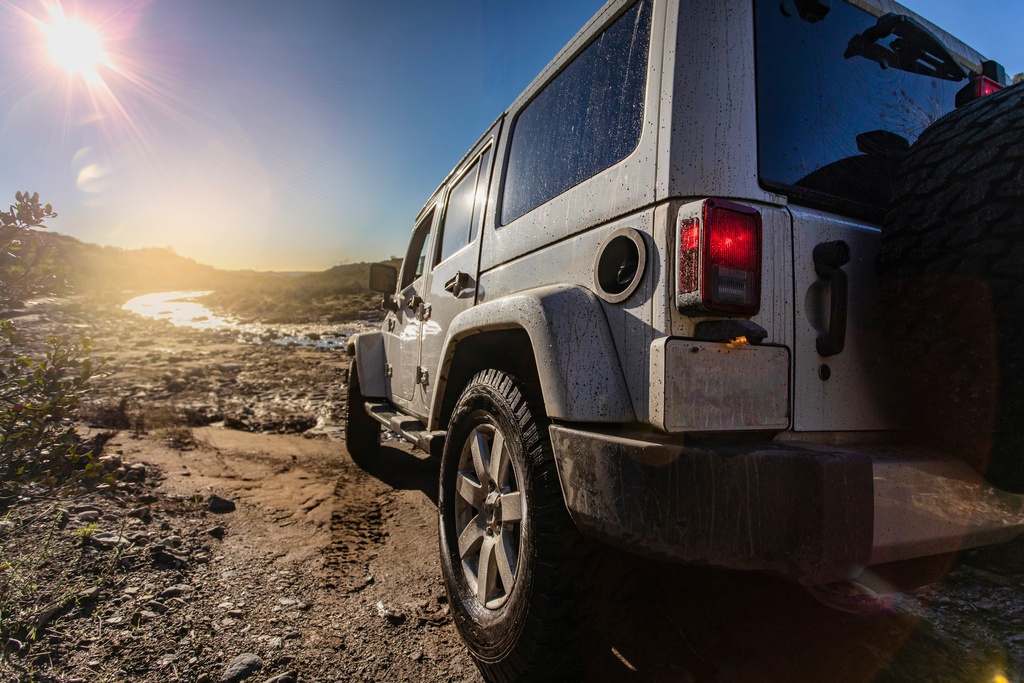
Learning how to choose the right vehicle for off-roading starts with understanding what different vehicles can handle and how their features affect performance on rough terrain. Off-road driving puts unique demands on a vehicle, including traction, suspension strength, and ground clearance. A model that performs well on pavement may struggle on mud, sand, or rocky trails. By evaluating where you plan to drive and which features support those conditions, you can narrow your options and choose a vehicle that offers both capability and reliability.
Understand the Terrain You Plan To Drive
Different off-road environments require different vehicle capabilities. Rocky trails demand high ground clearance and strong suspension, while sandy terrain requires good traction and steady power delivery. Muddy paths often call for aggressive tires and a drivetrain that can maintain grip when surfaces become slippery. Start by identifying the type of terrain you will encounter most often. This approach helps you focus on vehicles built for those conditions instead of ones that only look rugged but lack real off-road capability.
Evaluate Drivetrain and Traction Features
A capable drivetrain plays a major role in off-road performance. Four-wheel drive systems help distribute power to multiple wheels, improving traction when surfaces become uneven or loose. Locking differentials and low-range gearing can also help vehicles maintain control on steep inclines or rough terrain. These systems allow drivers to keep moving when one or more wheels lose grip. When comparing vehicles, pay attention to how the drivetrain operates and whether it offers the traction support needed for the type of trails you plan to drive.
Consider Ground Clearance and Suspension
Ground clearance determines how easily a vehicle can pass over rocks, logs, and uneven surfaces without damaging its underside. Vehicles designed for off-roading for beginners often include higher clearance and reinforced suspension systems that absorb impacts from rough terrain. A well-designed suspension allows the wheels to move independently and maintain contact with the ground, which improves stability and traction. Skid plates and protective underbody components also help protect critical parts when the trail becomes more demanding.
Balance Capability With Practical Use
While extreme off-road vehicles may offer impressive trail performance, they may not always suit everyday driving needs. Think about how often you will use the vehicle for commuting, road trips, or hauling gear. Some vehicles strike a balance between comfort and off-road capability, offering durable construction without sacrificing everyday usability. By considering both daily driving needs and off-road goals, you can select a vehicle that performs well in multiple situations.
Choosing the Best Off-Road Vehicle for Your Needs
Choosing the right off-road vehicle requires careful evaluation of terrain, drivetrain capability, suspension design, and everyday practicality. When you take time to compare these factors, you can find a model that delivers dependable performance on rugged trails while still meeting your daily driving needs. Understanding how to choose the right vehicle for off-roading ensures you invest in a vehicle that supports your adventures and handles challenging terrain with confidence.