
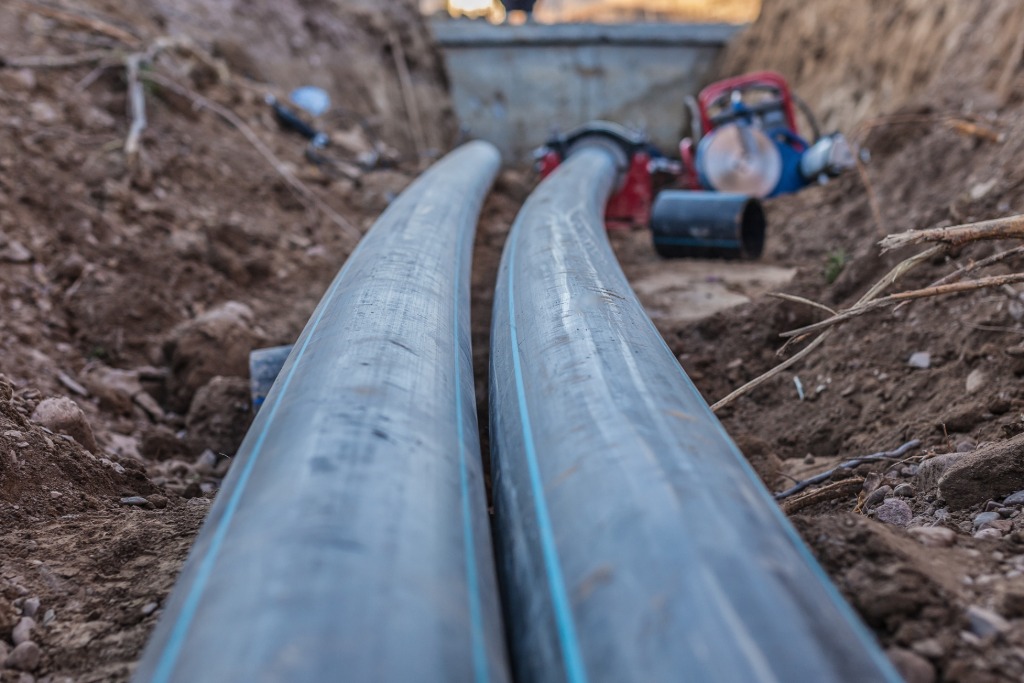
A damaged, clogged, or deteriorating sewer line can cause problems for your business beyond an inconvenient plumbing repair. Because commercial properties rely on functioning drainage systems throughout the workday, a sewer problem can quickly interfere with normal operations.
Some consequences are immediate, while others develop as the problem continues without proper repairs. Understanding the different ways sewer line issues can affect your business gives you a better idea of what’s at stake when something goes wrong underground.
Interruptions to Daily Operations
A sewer line problem can interrupt daily operations when wastewater stops draining from the building. If a blockage affects the property’s main sewer line, employees may be unable to use the restrooms until plumbers resolve the problem.
When the building lacks functioning restroom facilities, management may have to suspend operations temporarily. The closure can extend beyond the initial repair if technicians need to excavate an underground pipe or address extensive damage.
For businesses operating on fixed schedules, unexpected downtime leaves little room to recover those lost hours. Appointments may need to be rescheduled, and normal operations can’t resume until the building’s plumbing is functional.
Unpleasant Odors Throughout the Property
A damaged sewer line may release sewer gases through openings in the plumbing system. These gases produce unpleasant odors that can spread into occupied areas, particularly when the problem occurs near an interior drain.
The smell may seem strongest in one room initially, then become more widespread as gases continue escaping. Poor ventilation can make the odor more persistent by allowing it to accumulate indoors.
Although air fresheners may temporarily cover the smell, they won’t stop sewer gases from entering the building. The odor will continue returning until the source is repaired, leaving employees and visitors dealing with an unpleasant indoor environment.
Increased Health and Sanitation Risks
Sewage contains microorganisms that can cause illness when people encounter contaminated water. A sewer backup introduces these contaminants into areas where employees normally work, creating conditions that require proper sanitation.
Contact with wastewater is the primary concern. Employees who accidentally touch contaminated surfaces may transfer harmful microorganisms to themselves, particularly if they don’t wash their hands afterward.
Even after standing wastewater has been removed, contamination can remain on affected surfaces. Proper disinfection is necessary before those areas return to normal use. Businesses that overlook this step risk leaving employees exposed to contamination from the original backup.
Damage to Floors and Interior Surfaces
When sewage backs up into a building, wastewater can spread across the flooring and penetrate materials that absorb moisture. Carpeted areas are particularly vulnerable because liquid passes through the fibers and reaches the padding underneath.
Once the padding becomes saturated, drying the carpet’s surface won’t necessarily remove all the trapped moisture. Prolonged exposure can also cause wooden subfloors to swell, creating damage beneath the visible flooring.
Repairing these surfaces may require removing sections of carpet and replacing materials that can’t be restored. The extent of the damage depends on how far the wastewater spreads before cleanup begins.
Loss of Valuable Inventory
Businesses that store merchandise near floor level face the possibility of inventory loss when sewage enters a storage area. Wastewater can penetrate cardboard packaging and contaminate products before employees have an opportunity to move them.
For example, a clothing retailer may store unopened shipments in boxes on a basement floor. If a sewer backup reaches those boxes, the clothing inside may become unsuitable for sale.
The business then faces the expense of replacing merchandise it has already purchased. Until replacement shipments arrive, the affected products remain unavailable to customers, potentially reducing sales during the period needed to replenish inventory.
Reduced Employee Productivity
Sewer repairs can restrict access to workspaces that employees rely on throughout the day. When technicians need to excavate a damaged pipe beneath the building, nearby areas may have to remain vacant until the work is complete.
Employees assigned to those spaces may be unable to perform their regular duties. For example, warehouse workers may temporarily lose access to a section used for processing incoming shipments.
Without access to their normal work area, employees may have fewer tasks they can complete during their scheduled hours. The unfinished work then accumulates, leaving additional responsibilities once the repair area becomes accessible again.
Negative Customer Experiences
Customers expect businesses to provide functioning facilities during their visits. When a sewer blockage leaves the restrooms unavailable, that expectation goes unmet.
The inconvenience becomes particularly frustrating for customers attending lengthy appointments. Someone who needs to use the restroom halfway through a scheduled visit may have to leave the property to find another facility.
Even when staff explain the plumbing problem, the interruption can affect the customer’s overall experience. Visitors may reconsider returning if they expect similar inconveniences in the future, particularly when other establishments offer the same services without disruptions.
Unexpected Repair Expenses
The cost of repairing a sewer line depends heavily on where the damage occurs. A blockage accessible through an existing cleanout may require relatively limited work, while a broken pipe beneath the building presents a more involved repair.
Technicians may need to excavate the damaged section before they can replace it. If the pipe runs beneath a concrete slab, reaching it may require removing part of the floor.
These additional labor requirements increase the total repair expense. Businesses that haven’t budgeted for extensive underground plumbing work may need to redirect funds from planned purchases or property improvements to cover the bill.
Potential Regulatory Violations
Commercial properties must comply with applicable sanitation regulations, and sewage contamination can create conditions that violate those requirements. Certain businesses face additional restrictions because their operations involve activities regulated by local health authorities.
A restaurant experiencing a sewage backup in its food preparation area, for example, may need to suspend kitchen operations until the contamination has been addressed. Depending on local requirements, health officials may need to inspect the premises before food preparation resumes.
Continuing operations without resolving a sanitation violation can expose the business to enforcement action. Compliance requires correcting the underlying conditions and meeting the standards established by the relevant authorities.
Damage to Your Business’s Reputation
Customers who encounter a serious sewer problem may remember the experience after repairs are complete. If someone visits a business while persistent sewage odors are present, that unpleasant experience may influence their opinion of the establishment.
The consequences can extend further when customers post negative reviews describing the conditions they encountered. Those reviews remain accessible to prospective visitors who search for information about the business online.
Even after the sewer line has been repaired, potential customers may encounter complaints about the earlier problem. Rebuilding confidence can take time because the business must overcome negative impressions that developed during the original incident.
Protect Your Business Through Preventative Maintenance
Sewer line issues can affect your business in a number of ways, and waiting until a major failure occurs can leave you facing expensive consequences. The best way to reduce the risk of these problems is through preventative sewer line maintenance.
By arranging regular inspections and addressing developing blockages before they worsen, you can reduce the risk of unexpected sewer backups and interruptions to daily operations.