
Growth usually brings exciting milestones, from more customers and bigger orders to new employees and expanded operating hours. Unfortunately, it also brings more cardboard, packaging, food scraps, shipping materials, and everyday trash into the picture. A waste setup that worked perfectly when your business opened may struggle to support the company you operate today.
Recognizing the warning signs early can help you control costs, maintain a cleaner property, and keep waste from becoming an unnecessary obstacle to continued growth. We’re discussing various signs your business has outgrown its waste setup to help you take a more proactive approach to waste management.
Your Dumpsters Keep Filling Up Too Quickly
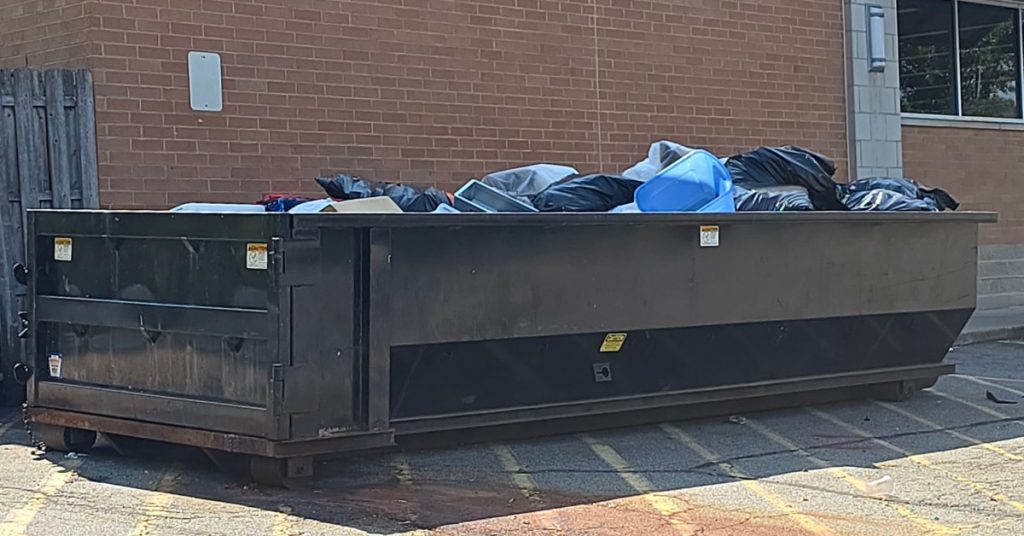
An overflowing dumpster provides one of the clearest signs that your current waste setup no longer matches your needs. Employees may start balancing bags on top, squeezing boxes into corners, or creating unofficial trash piles beside the container. These workarounds might get everyone through the afternoon, but they also signal that your waste volume has surpassed available capacity. When overflowing containers become part of the normal routine, your business needs a better long-term solution.
Pay attention to how quickly containers reach capacity after each scheduled pickup. A dumpster that consistently fills days before collection creates headaches for employees and can make your property look neglected to customers. Restaurants, entertainment venues, retail businesses, offices, and growing creative spaces can all experience sudden increases in waste as traffic rises. Tracking these patterns for several weeks can help you separate an unusually busy period from a genuine capacity problem.
Pickup Frequency Keeps Increasing
Adding another weekly collection might seem like the easiest answer when waste volume climbs. Eventually, however, frequent pickups can become inconvenient and expensive enough to justify reconsidering the entire setup. Trucks may need to access busy parking areas, loading zones, alleys, or service entrances more often than your operations comfortably allow. If your collection schedule starts running the show, your waste system probably needs an upgrade.
Review your waste bills alongside pickup frequency to understand the financial impact. You might discover that additional hauling costs have quietly increased while your business focused on more exciting numbers like sales and customer growth. Nobody launches a business because they dream of becoming an expert on dumpster schedules, yet ignoring these expenses can chip away at margins. A more efficient setup can reduce unnecessary hauling while giving your operation enough capacity to handle normal fluctuations.
You Produce More Waste Than You Used To
Business growth rarely increases waste in a perfectly predictable line. A restaurant might expand its takeout business, while a retailer could add online shipping and suddenly generate mountains of cardboard. A music venue might schedule more events, and an office could add employees faster than anyone remembers ordering new desks. Each operational change can alter the amount and type of material your business needs to discard.
Certain growth milestones should trigger a waste assessment before problems appear. Reviewing operations after making changes can help you determine whether your current equipment still makes sense. Consider the following changes:
- Opening another production area or commercial kitchen
- Adding employees or additional work shifts
- Expanding restaurant seating or event capacity
- Increasing deliveries, shipping, or online orders
- Extending operating hours or adding weekend service
- Introducing products that create bulky packaging waste
- Experiencing repeated dumpster overflow between pickups
Bulky Materials Consume Valuable Space
Waste volume doesn’t always tell the complete story because some materials take up far more room than their actual weight suggests. Cardboard boxes, plastic packaging, lightweight containers, and other bulky items can fill a dumpster remarkably fast. Businesses that generate large quantities of these materials may pay for frequent hauling even when their actual waste weight remains relatively modest. Compaction can reduce that wasted space and make storage more efficient.
Choosing equipment requires more thought than simply finding the biggest machine available. Business owners should understand the different trash compactor sizes and consider how each option fits their waste stream, available space, volume, and collection schedule. A restaurant has different requirements from a warehouse, apartment property, entertainment venue, or retail center. Matching equipment to actual operating conditions can prevent insufficient capacity and unnecessary spending.
Your Waste Area Looks Permanently Messy
Customers notice more about a business than owners sometimes realize. Overflowing dumpsters, loose cardboard, scattered bags, unpleasant odors, and litter around service areas can weaken an otherwise polished impression. Even when customers never walk directly past your dumpster, wind and overflowing containers can carry debris into parking lots and entrances. A messy waste area can quickly clash with the brand experience you worked hard to create.
Appearance also affects employees, vendors, neighboring businesses, and property managers. Nobody enjoys starting a shift by navigating yesterday’s trash avalanche behind the building. Better containment and more appropriate equipment can make routine disposal easier while keeping the surrounding area organized. Maintaining a cleaner waste zone supports the same professional standards you expect inside your business.
Odors and Pest Problems Keep Returning
Recurring odors often indicate that waste sits too long, containers lack sufficient capacity, or employees cannot properly close them. Food businesses face especially obvious challenges because organic waste can attract insects, rodents, and other unwanted visitors. However, offices, retail locations, entertainment venues, and other commercial properties can also experience pest problems when overflowing trash provides easy access. Regularly cleaning the area helps, but cleaning alone cannot fix an undersized waste system.
Look for patterns instead of treating each odor or pest complaint as an isolated annoyance. Problems that return shortly after cleaning or collection suggest that your waste volume and disposal process need closer attention. Covered containers, better scheduling, improved employee procedures, or compaction may offer more sustainable solutions. Addressing the underlying cause usually saves more effort than repeatedly fighting the symptoms.
Your Current Setup Creates Safety Concerns
An overwhelmed waste area can create more than an ugly view behind the building. Loose bags, broken-down boxes, leaking containers, and materials stacked around dumpsters can obstruct walkways or create slipping and tripping hazards. Employees may also take unnecessary risks when they try to lift heavy bags above shoulder height or force materials into an already full container. Waste management should support safe operations rather than encourage an unofficial workplace obstacle course.
Review how employees physically use your waste area during a normal shift. Make sure they have clear access, appropriate equipment, enough capacity, and straightforward procedures for disposing of common materials. Correct recurring problems before improvised habits become the unofficial standard. A safer system can also make training easier for new employees who need to learn disposal procedures quickly.
Start by measuring waste volume, identifying bulky materials, reviewing collection costs, and talking with employees who handle disposal every day. Then compare your findings against equipment and service options that match your space, waste stream, and growth expectations. The right system should make waste management quieter, cleaner, safer, and less disruptive to daily operations. After all, successful businesses have plenty of exciting things to manage, and outgrowing your waste setup should never become the headline act.