

Keeping your car looking new can feel like a challenge, especially when small scratches seem to appear out of nowhere. From parking lot mishaps to improper washing techniques, many everyday situations can damage your vehicle’s paint. The good news is that preventing scratches on your car is often easier than fixing them. With a few simple habits and protective measures, you can significantly reduce the chances of paint damage and maintain your car’s appearance for years to come.
Wash Your Car the Right Way
Many scratches occur during routine car washing. Dirt and debris on the vehicle’s surface can act like sandpaper if not handled properly. When washing your car, always rinse it thoroughly first to remove loose particles before touching the paint.
Using the right tools also makes a difference; soft microfiber wash mitts and clean sponges help prevent abrasive materials from dragging across the paint. Drying your car with a microfiber towel rather than letting it air dry can also help prevent fine scratches and water spots.
Be Strategic About Where You Park
Parking choices play a major role in protecting your vehicle’s exterior. Tight parking spaces, crowded lots, and areas with heavy foot traffic increase the likelihood of accidental scratches.
Whenever possible, choose spaces that give your car more room on both sides. Parking farther away from busy entrances often reduces the chances of someone opening their door into your vehicle. Covered parking structures or garages also provide protection from environmental debris such as falling branches, dirt, or blowing gravel.
If a garage isn’t available, using a high-quality car cover can add an extra layer of defense against minor surface damage.
Waxing for Paint Protection
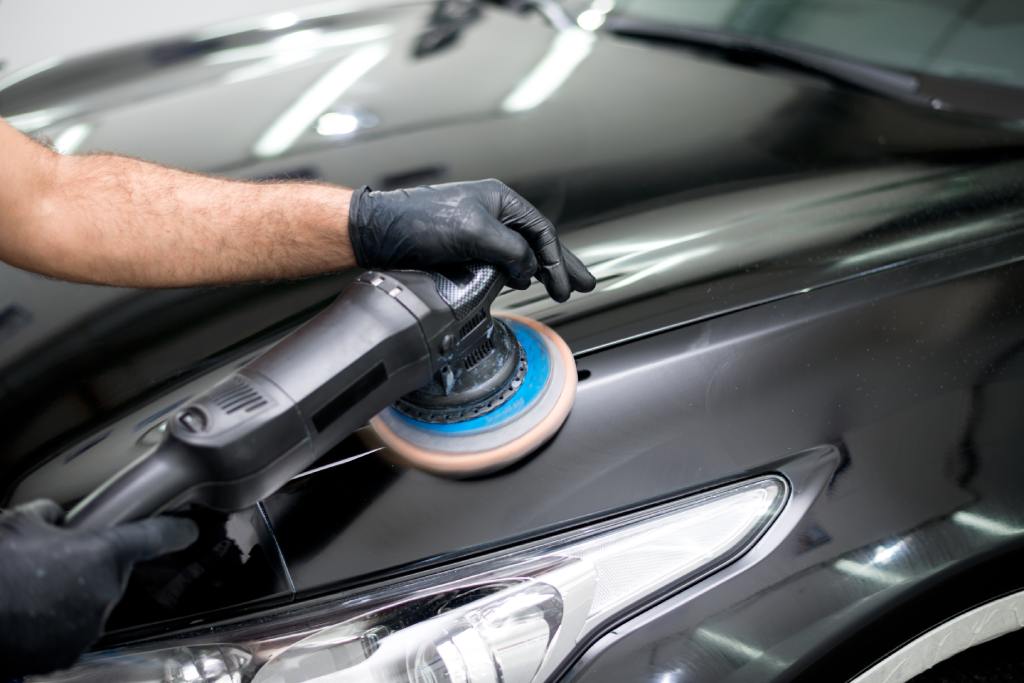
Regular waxing is one of the most effective ways to protect your car’s paint from scratches. Wax forms a thin protective layer over the clear coat, helping shield the paint from contaminants, debris, and light abrasions.
This protective barrier reduces friction when dust or dirt comes into contact with the surface. As a result, particles are less likely to create fine scratches. Wax also helps water bead off the paint, making it harder for grime to stick and easier to clean your vehicle safely.
It’s important to remember that there are different types of waxes on the market, and each one can provide different benefits. Before you start any type of waxing, make sure you have the best one for what you’re trying to accomplish.
Keep Small Debris Away from the Surface
Daily driving exposes your vehicle to dust, sand, and road debris that can slowly damage the paint. Even wiping your car with a dry cloth when it’s dirty can cause micro-scratches.
Instead, gently rinse the surface before removing debris. Using a quick detail spray and a microfiber cloth is a safer option for removing light dust between washes. Maintaining a clean surface reduces the chances of particles grinding into the paint.
You should also regularly inspect areas where debris tends to accumulate, such as under windshield wipers, around trim pieces, and near door handles.
Build Habits That Protect Your Paint
Preventing scratches on your car often comes down to consistent habits. Taking a little extra care during cleaning, parking strategically, and protecting the paint with wax can make a noticeable difference over time.
While it’s impossible to eliminate every risk, these preventative steps can significantly reduce the chances of scratches forming on your vehicle. By maintaining your car’s paint and staying mindful of everyday hazards, you can keep your vehicle looking polished and well cared for long after it leaves the showroom.