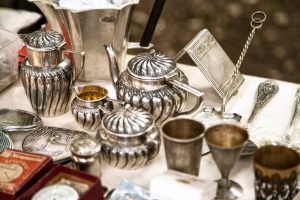

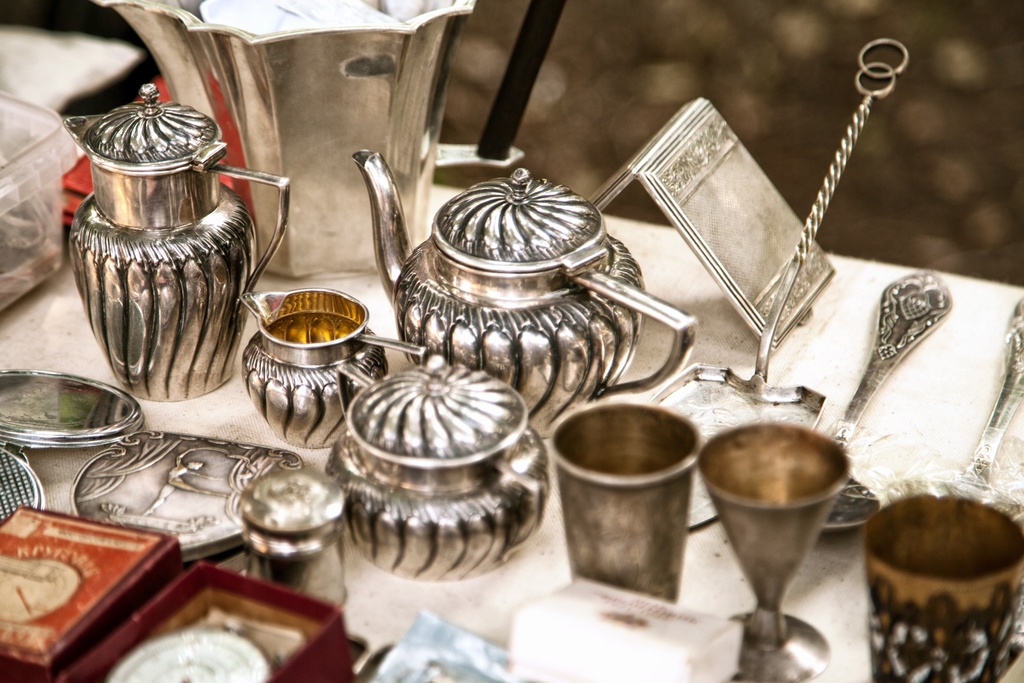
Antique silver pieces often carry both financial and sentimental value, yet many owners do not fully understand their worth. Family heirlooms, estate finds, and antique market purchases can vary widely in value depending on age, maker, condition, and rarity. Understanding why you need an appraisal for your antique silver helps ensure that you protect these items properly and make confident decisions about insurance, resale, or estate planning. A professional appraisal provides an expert evaluation that reveals the true market value of your silver and documents important details about its craftsmanship and history.
Protecting the True Value of Your Silver
Antique silver is more complex than it may appear at first glance. Two pieces that look similar can have dramatically different values based on factors such as maker’s marks, age, design style, and historical significance. A professional appraiser carefully examines these details to determine authenticity and origin.
Without an appraisal, owners may underestimate or overestimate the value of their silver. Underestimating value can leave items underinsured or vulnerable during estate distribution, while overestimating value may lead to unrealistic expectations when selling. An appraisal provides a reliable benchmark based on expert knowledge and current market conditions. This documentation also becomes useful if the item changes hands or if questions arise about its origin or craftsmanship in the future.
Supporting Insurance, Estate, and Sales Decisions
Many antique silver owners seek an appraisal when preparing for insurance coverage or estate planning. Insurance companies often require formal documentation before they agree to cover valuable antiques. An appraisal clearly records the item’s characteristics, condition, and estimated market value so insurers can provide appropriate protection.
Appraisals also simplify estate management. Families who inherit silver collections often struggle to divide items fairly without knowing their value. A professional evaluation helps heirs understand what each piece is worth and prevents misunderstandings.
For sellers, an appraisal creates confidence during negotiations. Buyers often trust professionally documented value more than a seller’s estimate. When you understand the market worth of your silver, you can set a realistic price and communicate that value clearly to potential collectors or dealers.
Understanding the Appraisal Process
Many owners hesitate to seek professional evaluation because they are unsure about what happens during an antique silver appraisal. In most cases, the appraiser begins by closely inspecting the piece for hallmarks, maker’s stamps, and craftsmanship details that indicate origin and age. They also evaluate condition, weight, design quality, and rarity.
The appraiser compares the item to similar pieces in the antiques market to determine a fair value range. They then prepare written documentation describing the item and explaining the reasoning behind the estimated value. This report serves as an official record that owners can use for insurance, estate planning, or resale purposes.
Preserving the Value of Antique Silver
Antique silver carries historical craftsmanship and lasting value, but its true worth often remains unclear without professional evaluation. Understanding why you need an appraisal for your antique silver helps you secure appropriate insurance coverage and make informed decisions about its future. An expert appraisal provides clarity, documentation, and confidence so you can preserve the value of your silver for years to come.