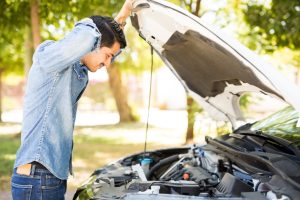


Many drivers put off minor car repairs. A strange noise, a small leak, or a warning light might seem like minor annoyances. You might postpone a trip to the mechanic, hoping the problem will go away. However, ignoring small-car issues can lead to larger, more expensive problems down the road.
Addressing these minor items promptly saves money and maintains your vehicle’s safety. Understanding why ignoring small car issues can cost you big helps you make smarter maintenance decisions.
How a Small Problem Grows
A single malfunctioning part affects other components in your vehicle. For example, a worn serpentine belt may initially cause a slight squeal. If you neglect it, the belt could snap, leaving your power steering, alternator, and water pump without power. This transforms a simple belt replacement into a major repair, possibly leaving you stranded on the side of the road.
What to Listen For
Your car communicates through sounds and sensations. Pay attention to changes in performance, no matter how subtle.
- Unusual Noises: Squealing, grinding, or clunking sounds indicate problems. A squeal from your brakes could mean worn pads. A clunking noise might point to suspension issues.
- Warning Lights: Dashboard lights alert you to a problem. The check engine light, for example, can signal anything from a loose gas cap to a failing catalytic converter.
- Performance Changes: A decrease in fuel efficiency, a rough idle, or hesitation during acceleration all point to underlying issues that need attention.
How Postponing Repairs Affects Your Wallet
Delaying repairs often means a higher final bill. A small oil leak might only require a new gasket, a relatively inexpensive fix. Neglecting it could drain your engine of oil, leading to catastrophic engine failure and a repair bill costing thousands. Addressing small problems promptly prevents this kind of financial strain.
What to Look For
Regular inspections help you spot trouble early. Check these areas between professional services:
- Tires: Inspect tire pressure and tread depth. Underinflated tires reduce fuel economy and wear out faster.
- Fluids: Check your oil, coolant, and brake fluid levels. Low fluid levels often signal leaks.
- Brakes: Notice any changes in braking performance. A soft brake pedal or a grinding sound means you need to get your brakes inspected immediately.
A simple check can prevent complex issues. For instance, a steering wheel that is difficult to turn could stem from low power steering fluid, a problem easily fixed if caught early. Waiting might damage the power steering pump or rack, resulting in a much more involved repair.
The Importance of Routine Maintenance
Regular maintenance prevents small issues from becoming big ones. An oil change gives a technician a chance to inspect your vehicle and spot potential problems. They can identify worn belts, leaky hoses, or other items that need attention before they fail.
Following your vehicle’s recommended maintenance schedule protects your investment and keeps you safe. Proactive care is always more affordable than reactive repairs. That is why ignoring small car issues can cost you big.
Protect Your Investment
Your vehicle needs consistent care to perform reliably. By addressing small problems as they arise, you avoid bigger headaches and keep repair costs down. Keep up with your maintenance, pay attention to how your car drives, and seek professional help when you notice a change. This approach keeps your car running smoothly and safely for years.