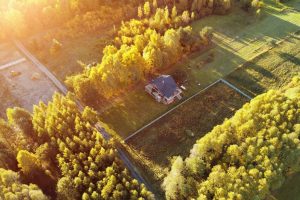

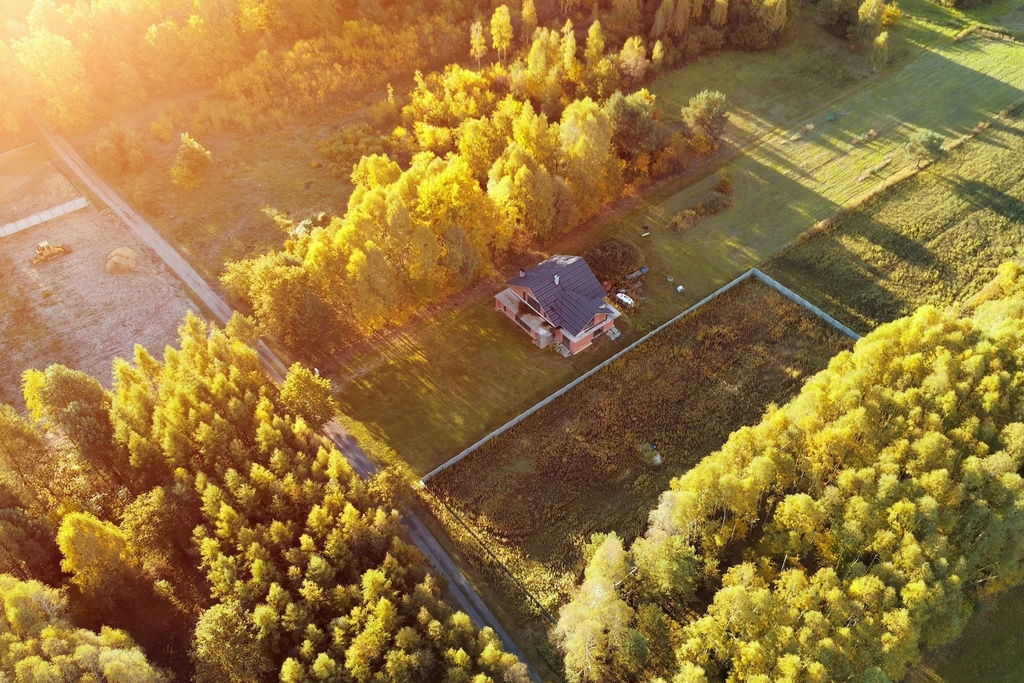
Off-grid living attracts people who want independence, lower costs, and a closer relationship with the land. You control your power, water, food, and daily systems instead of relying on city infrastructure. That freedom sounds exciting, but it also requires planning, patience, and practical skills. Before you move into the woods or desert, you need to understand the core systems that keep an off-grid property running. From energy to water storage to land selection, every decision shapes your comfort and long-term success.
Choosing the Right Land
Land choice drives almost every off-grid outcome. Climate affects solar production, water access, and growing seasons. Terrain influences building difficulty and road access. Many beginners rush the purchase and regret it later. Spend time researching zoning rules, seasonal weather, and soil conditions before you commit. Some people buy land in Alaska because they want space, privacy, and lower land prices, but they must also prepare for extreme winters and limited daylight. Visit the property during different seasons if possible. Talk with neighbors, local builders, and county offices so you understand permits, water rights, and land restrictions before you invest money.
Setting Up Reliable Power
Living off grid requires dependable energy. Most households rely on solar panels paired with battery storage. Wind turbines sometimes support solar in windy regions. Generators provide backup during storms or long cloudy periods. Calculate your daily electricity use before you design a system. Refrigerators, well pumps, internet equipment, and lighting quickly add demand. Many off-grid homeowners reduce usage with efficient appliances and LED lighting. You should also plan for maintenance and equipment replacement over time. Batteries wear out, wiring ages, and panels occasionally fail, so build a system that allows easy upgrades.
Managing Water and Waste
Water planning determines whether off-grid life feels comfortable or stressful. Wells, rain catchment, nearby springs, and water delivery all serve different properties. You must test water quality and understand seasonal availability. Storage also matters because droughts and freezing temperatures disrupt supply.
Many properties rely on a mix of solutions, including:
- drilled wells for consistent groundwater access
- large rain collection systems with storage tanks
- gravity fed spring systems in mountainous areas
- composting toilets or septic systems for sanitation
Smart water planning protects health and reduces daily work.
Food, Work, and Daily Reality
Off grid living rewards preparation and discipline. You handle repairs, haul supplies, and manage systems that city utilities normally maintain. Many residents grow gardens, raise chickens, or hunt to supplement groceries. Food storage also plays a major role because winter storms or remote locations can delay supply runs.
Daily routines often include:
- checking battery levels and solar output
- hauling firewood or maintaining heating systems
- monitoring water tanks and filtration equipment
- repairing fences, tools, or small structures
These tasks require time, but they also build independence and practical confidence. People who enjoy problem solving and hands on work usually thrive off grid.
Is Off-Grid Living Right for You?
Off grid living works best for people who value self reliance and flexibility. You will face equipment failures, weather surprises, and long project lists. However, strong planning and realistic expectations make the lifestyle rewarding. Start small if possible. Test solar kits, practice gardening, and learn basic carpentry before you fully transition. Visit established off-grid communities and ask questions about real costs and daily routines. When you understand the responsibilities and prepare for them, off grid living can offer freedom, resilience, and a deep sense of ownership over your life today.