
Figuring out how to improve consistency in a production line doesn’t have to be a nightmare. In fact, small tweaks can lead to massive improvements. Let’s look at some practical steps you can take today to get your operations running like a well-oiled machine.
Standardize Every Single Step
When three different operators run the same machine three different ways, you get three different results. It is time to lock down your processes. Create highly detailed, visual work instructions for every station. Don’t just write a boring manual that sits on a shelf collecting dust.
Use pictures or videos that show exactly what to do. This leaves zero room for interpretation. When everyone follows the exact same recipe, the output stays uniform every single time. For example, there is a lot to know about selecting media for industrial finishing jobs. Settling on a media option and relying on it for your parts yields consistent, quality results.
Maintain Equipment Before It Breaks
Waiting for a machine to break down is a recipe for disaster. Unexpected downtime kills momentum and leads to rushed repairs. Rushed work usually results in sloppy output. Preventive maintenance is your best friend here.
Schedule regular check-ups for all your equipment. Think of it like changing the oil in your car. It keeps the engine running clean and prevents those nasty surprises. A machine that runs smoothly produces a consistent product.
Train Your Team Continuously
Your people are the heartbeat of your production line. Even the best equipment is useless if the operator doesn’t know how to handle it properly. Regular training sessions help keep everyone sharp. It also helps new hires get up to speed faster.
Don’t treat training as a one-time event during onboarding. Make it an ongoing conversation. Share tips and tricks during morning huddles. When your team feels confident, their work quality naturally improves.
Utilize Real-Time Data
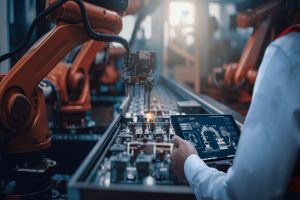
Guesswork has no place on a modern factory floor. You need to know what is happening right now, not what happened last week. Sensors and monitoring software can track performance instantly. They spot tiny deviations before they become huge problems.
If a machine starts to vibrate too much or a temperature gauge spikes, you get an alert immediately. This allows you to pause and fix the issue before it affects a whole batch. Data gives you the power to be proactive instead of reactive.
Committing to Better Quality
Consistency builds trust with your customers. They want to know that the product they buy today will be just as good as the one they bought last month. Focusing on standardization, maintenance, training, and data will help you master how to improve consistency in a production line for the long haul. Start applying these strategies now and watch your efficiency soar.