
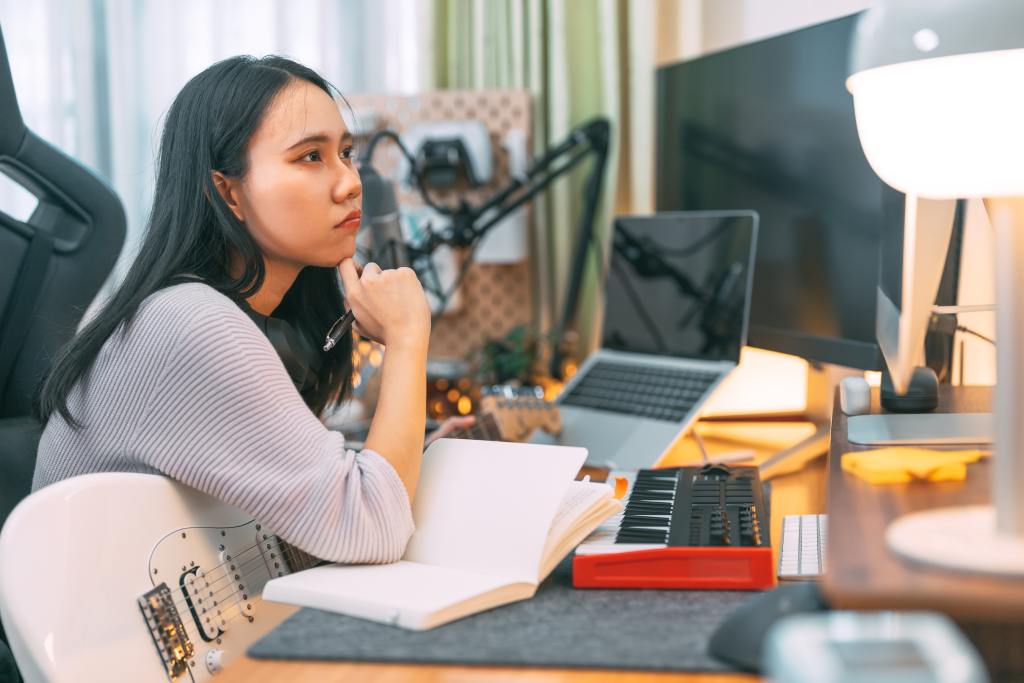
Musicians across North Carolina know the struggle. Inspiration can strike at the oddest moments, and you need to capture it fast. Building your own portable recording studio lets you create professional-quality tracks anywhere, whether you’re jamming at a friend’s place in Charlotte or setting up a quick session in your Raleigh apartment.
The essential equipment for a portable recording studio turns any space into your creative headquarters. Let’s dive into what you actually need to start recording on the go.
Audio Interface: Your Sound Gateway
Your audio interface converts analog signals into digital gold. This compact device connects your microphone and instruments directly to your laptop, giving you clean, crisp recordings every time.
Look for an interface with at least two inputs so you can record vocals and guitar simultaneously. Popular options like the Focusrite Scarlett series or PreSonus AudioBox deliver studio-quality sound without draining your wallet.
Choose one with phantom power if you plan to use condenser microphones. The interface sits at the heart of your mobile setup, so invest in reliable gear that travels well and handles daily use.
Microphone and Headphones: Capture and Monitor
A quality condenser microphone captures vocals with stunning clarity and detail. Dynamic mics work great for louder sources like guitar amps and drums.
Pair your microphone with closed-back headphones that block external noise. You need accurate monitoring to catch mistakes during recording. Audio-Technica and Shure offer excellent budget-friendly options that sound professional. Your headphones let you hear exactly what you’re recording in real time, which helps you nail performances faster.
Grab a pop filter too; it eliminates those harsh plosive sounds that ruin otherwise perfectly good takes. These tools work together to ensure your recordings sound polished from the first attempt.
Laptop and Software: Your Digital Workspace
Your laptop runs the show, so choose one with enough processing power to handle multiple tracks simultaneously. Most modern laptops work fine, but prioritize RAM and CPU speed over flashy features.
Digital audio workstation (DAW) software like Ableton Live, Logic Pro, or Reaper gives you unlimited creative possibilities. Start with free options like GarageBand or Audacity to learn the basics before upgrading.
You’ll also want cable management for a dual monitor setup if you expand your workspace later. Keeping wires organized prevents frustrating technical hiccups during sessions. Cloud storage automatically backs up your projects, protecting your work from unexpected computer crashes or mishaps.
Accessories: The Finishing Touches
Small accessories separate amateur recordings from professional productions. A sturdy microphone stand keeps your mic steady and positioned perfectly during long sessions. XLR cables reliably connect to your equipment, preventing unwanted noise and static.
Acoustic treatment panels absorb echoes, dramatically improving your recording quality, even in untreated rooms. A portable MIDI keyboard expands your musical options beyond what you can play on traditional instruments.
These extras might seem minor, but they streamline your workflow and boost your final sound quality. With this essential equipment for a portable recording studio, you’ll capture inspiration whenever creativity strikes.