

Everyone loves new tech, but many people spend way more than they need to on everyday electronics. Companies rely on branding, hype, and confusing specs to push prices higher. If you know what to look for, you can cut costs without sacrificing quality or performance.
Smartphones: Stop Chasing Flagships
Flagship phones look impressive, but midrange models now offer similar performance for most users. You pay extra for minor camera upgrades, premium materials, and brand status. A two hundred dollar difference rarely translates into a better daily experience.
TVs: Bigger Price Tags Don’t Always Mean Better Quality
Retailers highlight ultra-premium TVs, but many mid-tier sets deliver excellent picture quality. You often pay more for slight brightness boosts or niche features you will never use. Focus on resolution, refresh rate, and panel type instead of brand hype.
Cables and Chargers: Avoid the Markup
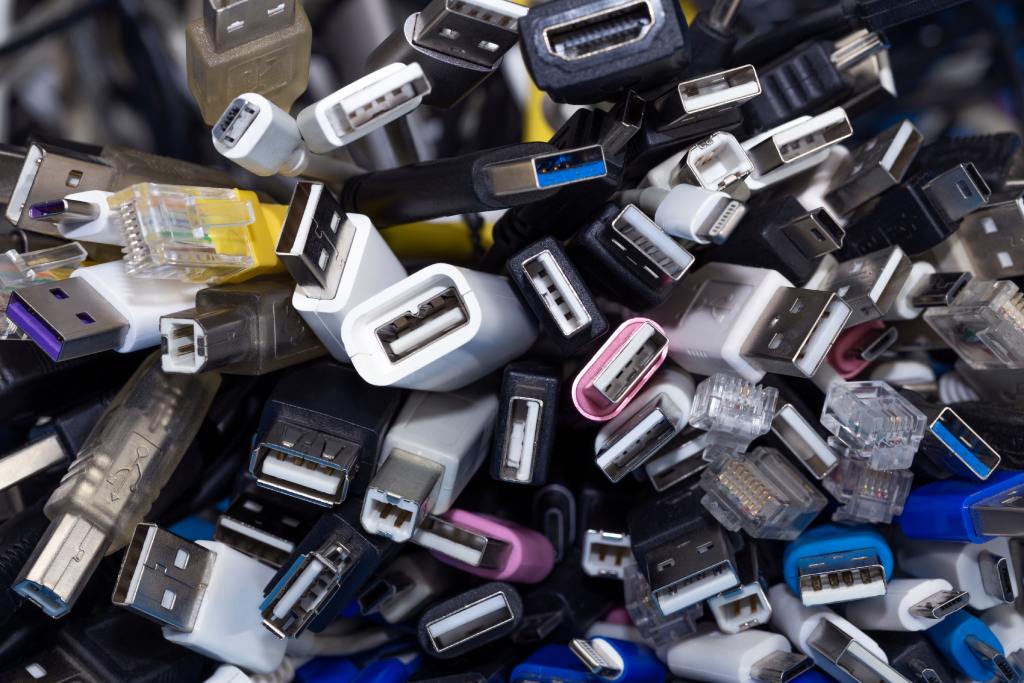
Retail stores often markup cables and chargers heavily. You do not need a premium branded cable for reliable performance. Many third-party options meet the same standards at a fraction of the price.
Before you buy, keep these tips in mind:
- Check compatibility instead of assuming brand exclusivity
- Compare reviews across multiple sites
- Look for bundles or seasonal discounts
Headphones and Earbuds: Marketing Drives Prices
High end audio brands charge steep prices, but many affordable models deliver clear sound and solid comfort. You often pay for noise canceling features you might not need. Look for balanced sound and battery life instead of brand recognition.
Gaming Gear: Skip the Premium Branding
Gamers often overspend on flashy gear with RGB lighting and big logos. Plenty of affordable gaming accessories provide the same responsiveness and durability without inflated prices. Focus on performance specs like DPI, switch type, and build quality.
Laptops: Don’t Overbuy Power
Many buyers choose high end laptops with more power than they need. Everyday tasks like browsing, streaming, and office work run smoothly on midrange machines. You waste money when you pay for extra performance you will never use.
Smart Home Devices: Convenience Doesn’t Require Premium Prices
Brands push expensive smart speakers, thermostats, and cameras, but many budget options handle the same tasks reliably. You often pay extra for ecosystem branding or minor design upgrades. Check compatibility with your existing devices and apps before buying. Many lesser-known brands support the same voice assistants and offer similar automation features. You can build a functional smart home without locking yourself into a costly ecosystem. Prioritize ease of use, security updates, and core features instead of flashy extras that add little value.
Spend Smarter
You can save a lot of money when you question premium pricing and marketing claims. Focus on real performance, compare options, and avoid impulse upgrades. Smart buying habits help you get the tech you want without draining your budget.
Also, avoid extended warranties unless you understand the coverage. Retailers promote them heavily, but many products already include solid manufacturer warranties. You can often set aside that money for future upgrades instead. Take a few minutes to research before you buy, and you will notice how quickly the savings add up across multiple purchases.