

Community events bring people together in powerful ways. From live music performances to local food festivals, these gatherings help neighborhoods connect and celebrate creativity. At the same time, organizers must think carefully about safety. Following health and safety tips for planning community events helps ensure everyone enjoys the experience while staying protected.
Whether you’re organizing a concert, food market, or business showcase in North Carolina, taking a few smart precautions can help ensure the event runs more smoothly and is more enjoyable for all attendees.
Choose a Safe and Accessible Location
The first step in planning a safe event is choosing the right venue. Outdoor parks, community centers, and open plazas often work well because they provide enough space for large crowds. Event organizers should ensure the location has clear entry and exit points.
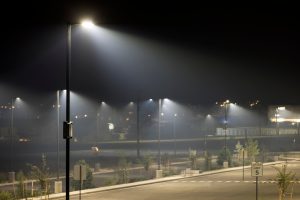
Wide walkways help guests move easily between music stages, vendor booths, and food areas. Adequate lighting also enhances safety during evening events. When attendees feel comfortable navigating the space, the entire event runs more smoothly.
Plan for Cleanliness and Sanitation
Food vendors, beverage stations, and high-traffic zones need extra focus on cleanliness. Organizers should collaborate with vendors to ensure proper food handling and sanitation.
Including accessible handwashing stations greatly improves hygiene during large events. Many planners now set up handwashing stations, particularly in children’s areas, so families can conveniently wash their hands after activities or before eating.
Trash and recycling stations placed around the venue also help keep the event space organized and hygienic.
Coordinate With Local Authorities
Successful community events often involve collaboration with local officials and emergency services. Police, fire departments, and medical responders can provide guidance on crowd management and safety planning.
Before the event begins, organizers should communicate clear emergency procedures with staff and volunteers. Everyone working the event should know where the exits, first-aid areas, and emergency contact points are located.
Preparation helps teams respond quickly if unexpected issues arise.
Manage Crowds and Traffic Flow
Crowd management plays a major role in event safety. Music events and food festivals often attract large numbers of people, especially when popular performers appear.
Event planners can reduce congestion by carefully organizing the layout. Consider spacing vendor booths and activity zones to allow guests to move comfortably between areas.
Helpful crowd management strategies include:
- Clearly marked entry and exit points
- Open walkways between vendor booths
- Visible signage for stages and food areas
- Staff members guiding guests during busy times
- Designated seating or rest areas
These simple steps create a safer and more enjoyable experience for everyone attending.
Train Staff and Volunteers
Every successful event relies on a strong team behind the scenes. Volunteers and staff should understand their roles before guests arrive.
Organizers should provide brief training sessions that cover safety procedures, communication methods, and basic crowd assistance. When teams know how to guide attendees or address minor issues, they help prevent larger problems.
A well-prepared team keeps the event organized and welcoming.
Create a Safe and Memorable Experience
Community events thrive when people feel comfortable, energized, and inspired. Live music, great food, and creative energy all contribute to a memorable gathering.
By following health and safety tips for planning community events, organizers can build events that celebrate community while protecting guests, vendors, and performers. Thoughtful planning ensures that every attendee leaves with positive memories and looks forward to the next event.