

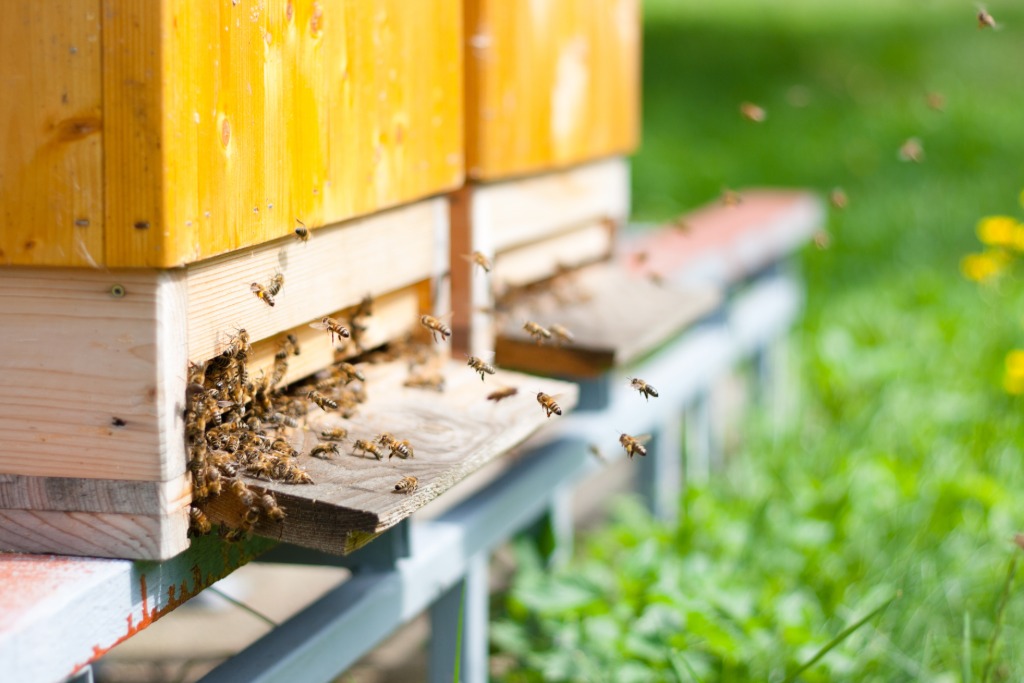
When summer heat hits like a hair dryer on high, your bees feel it too. A healthy colony can handle warm days, but extreme heat can push them into survival mode fast, especially if they don’t have enough water, shade, or airflow. Understand how to keep bees safe in extremely hot weather as your temps climb, and you’ll help your hive stay calmer, stronger, and more productive instead of stressed and struggling.
Give Them Reliable Water Close By
Bees need water to cool the hive, dilute honey, and help feed brood, and they’ll work hard to find it if you don’t provide it. The problem is they might pick your neighbor’s pool, a muddy puddle, or a leaky hose that dries up at the worst time. Set up a shallow water source near the hive and keep it consistent. Then, add rocks, corks, or floating wood so they can land safely without drowning.
Improve Shade Without Blocking Their Flight Path
Full sun can roast a hive, especially in the afternoon when temperatures are at their peak. You don’t need to hide the hive in deep shade, but giving it some relief helps a lot. A simple shade cloth, an umbrella, or placing the hive where it gets morning sun and afternoon shade can quickly reduce heat stress. Make sure you don’t block the entrance or create a tight space that limits airflow.
Boost Ventilation the Smart Way
When it’s hot, bees fan like crazy at the entrance to move air through the hive. If the hive can’t breathe, they’ll spend more time cooling and less time doing everything else. You can help by adjusting ventilation depending on your hive style. Many beekeepers use screened bottom boards, add an upper entrance, or slightly prop the outer cover to let heat escape. The key is balance, because you don’t want to open the hive so much that pests move in or the colony gets robbed.
Know What to Look for During Inspections
Hot weather changes hive behavior, so quick, calm inspections matter more than long, pokey ones. If you see heavy bearding, meaning bees clustered outside the hive, that’s often a sign the inside is too warm or too crowded.
You may also notice more fanning, more water traffic, and less foraging during peak heat hours. Understanding the parts of a beehive helps you make better decisions, because knowing how the brood area, honey stores, and entrance airflow work together lets you spot heat-related stress faster.
Keep Your Hive Cool and Your Bees Busy
Once you get the basics right, bees can handle hot weather better than most people expect. Water, shade, airflow, and intentional inspections are all you need, and they’re all things you can control without a complicated setup. Now that you know how to keep bees safe in extremely hot weather, you’ll help your colony stay steady, avoid unnecessary stress, and keep doing what they do best, even when the sun is working overtime.