

New machinery brings a lot of excitement to the floor. You anticipate better consistency and a happier crew, but that can fade quickly if the installation goes sideways. Ensuring safe equipment setup for food processing protects your product quality and employees. When you take the time to position and install everything correctly, you build a foundation for success.
Prioritize 360-Degree Access
Sanitation teams need adequate space to clean effectively. When equipment is pushed into a corner, hard-to-reach areas can collect grime, creating an ideal environment for bacteria to grow.
To prevent this, your equipment should have enough clearance on all sides. Cleaning staff should be able to move freely around the unit without navigating tight spaces. Proper spacing also allows maintenance teams to safely access panels and perform repairs without unnecessary risks.
Secure All Utility Connections
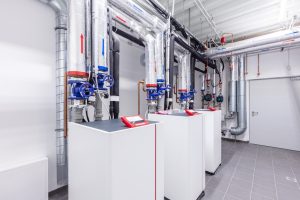
Food processing equipment often requires specialized utility connections, such as high-voltage lines, water feeds, or compressed air. Improperly managed connections, like loose wires or dripping pipes, can create significant safety issues, including slip hazards and fire risks.
Confirm that every connection is tight and rated for the environment. If you run a washdown facility, standard fittings won’t hold up against high-pressure water. Use watertight conduits and secure all lines to prevent tripping.
Rely on Specialized Installation Teams
Trying to install heavy industrial gear with just your maintenance staff often leads to trouble. They might know how to fix a motor, but rigging and leveling a massive oven requires different skills.
The benefits of hiring professionals for machine installation include strict adherence to safety regulations and precise calibration. Expert installers understand how to maneuver heavy loads without damaging your facility. They also document the setup, which proves you followed the manufacturer’s guidelines.
Design for Efficiency
A well-designed layout is essential for safety and efficiency. Poor organization can lead to cross-contamination and accidents, such as raw ingredients crossing over packaging lines.
Plan the flow of materials carefully before finalizing the layout. Ensure raw and cooked zones are clearly separated, and design forklift paths that don’t intersect with pedestrian walkways.
Validate Safety Features Before Production
Never assume emergency stops will work straight correctly. Always test every guard, sensor, and kill switch before starting production. If a guard door opens, the machine should stop.
Conduct these tests with your safety officer and document the results. If a sensor is slow or fails, address the issue. Your team needs to trust that the safety systems are reliable and will protect them.
A proper installation is the foundation for your entire operation. If you rush the job, you could face years of maintenance and hazard concerns. Safely setting up your food processing equipment is the smartest investment you can make for your facility. When you get your layout right, you secure your team’s safety and your business’s reputation.